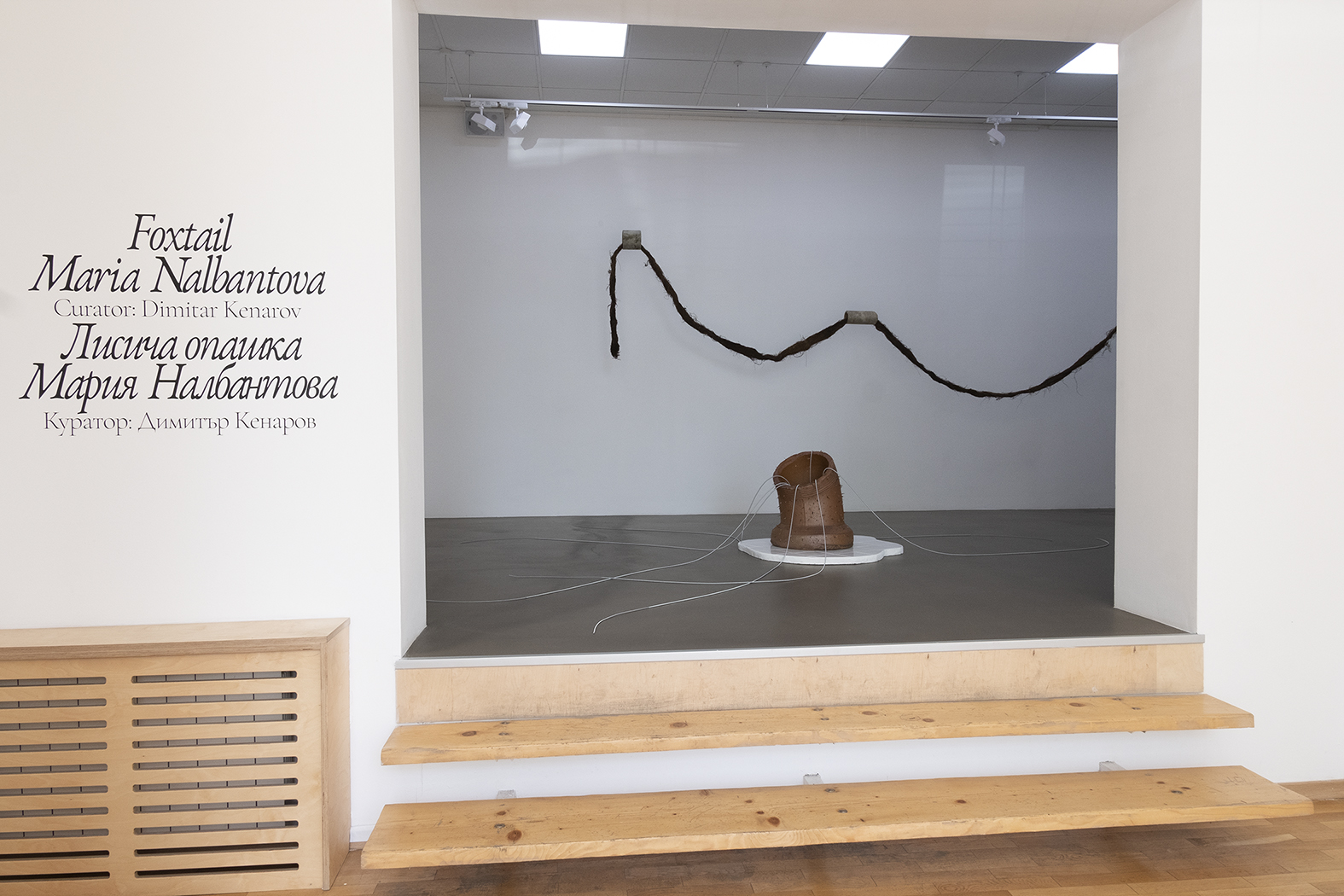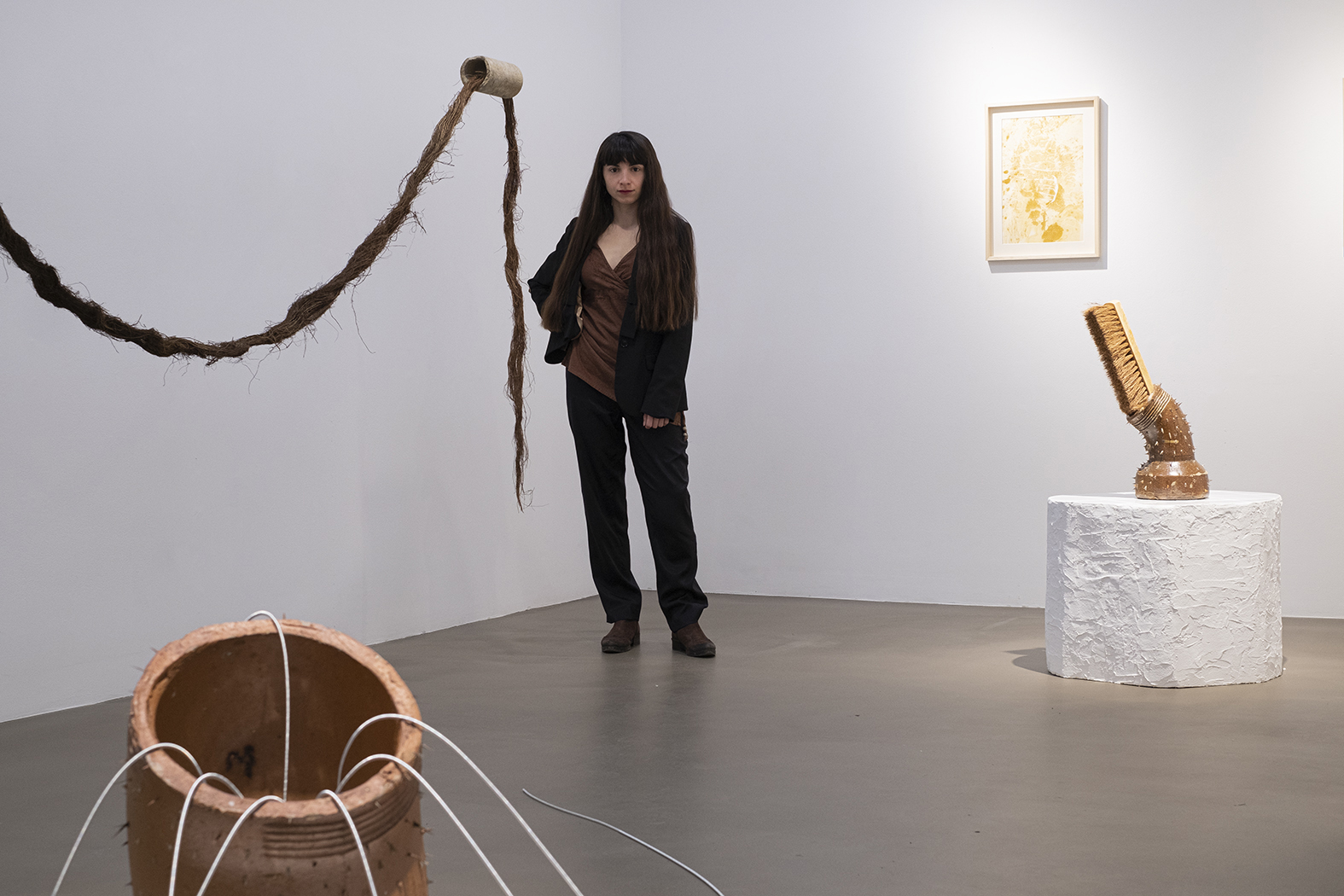
Foxtail, 2023
solo exhibition
Curator: Dimitar Kenarov
KO-OP in Sofia, Bulgaria
20.04 - 14.05.2023
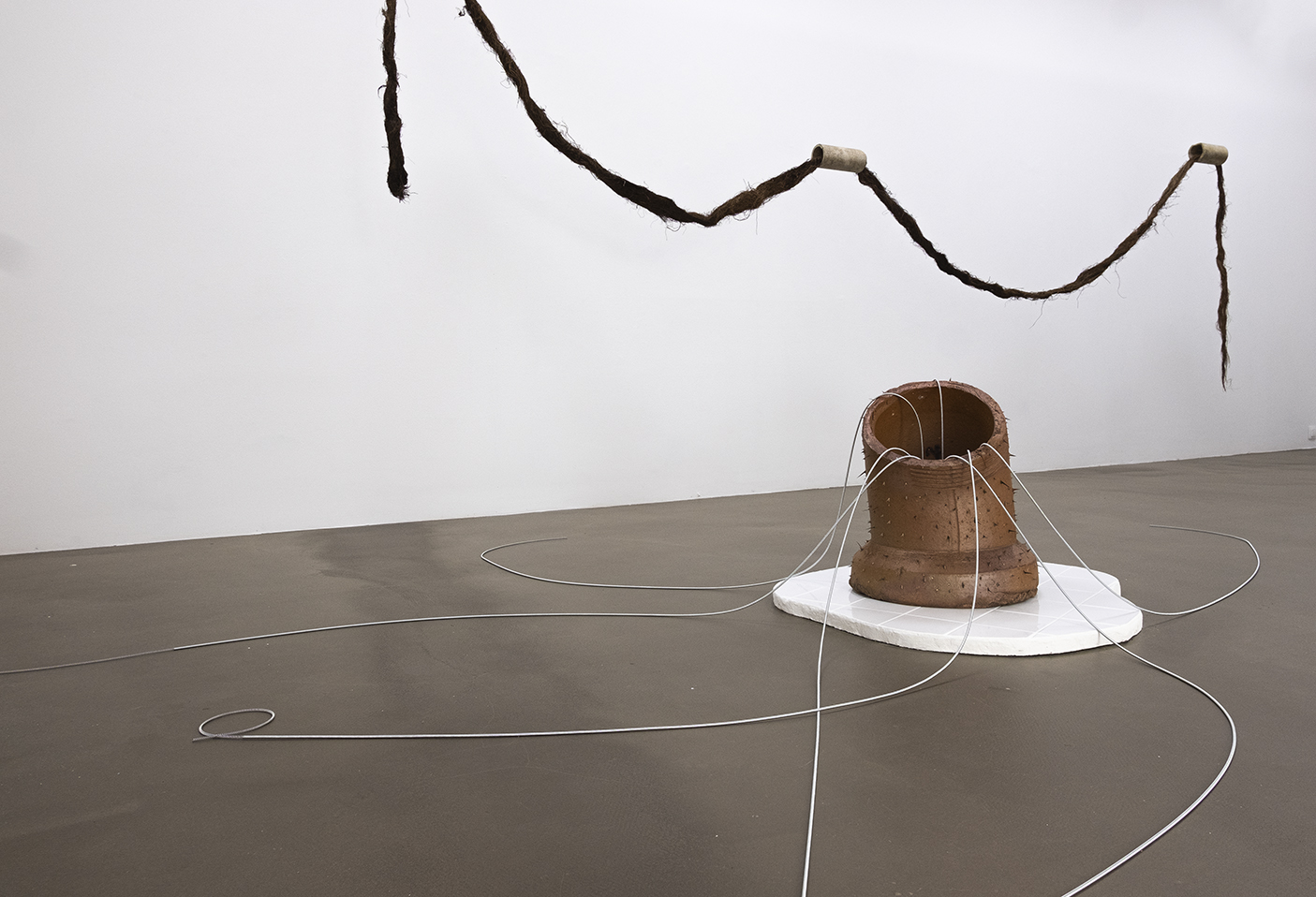
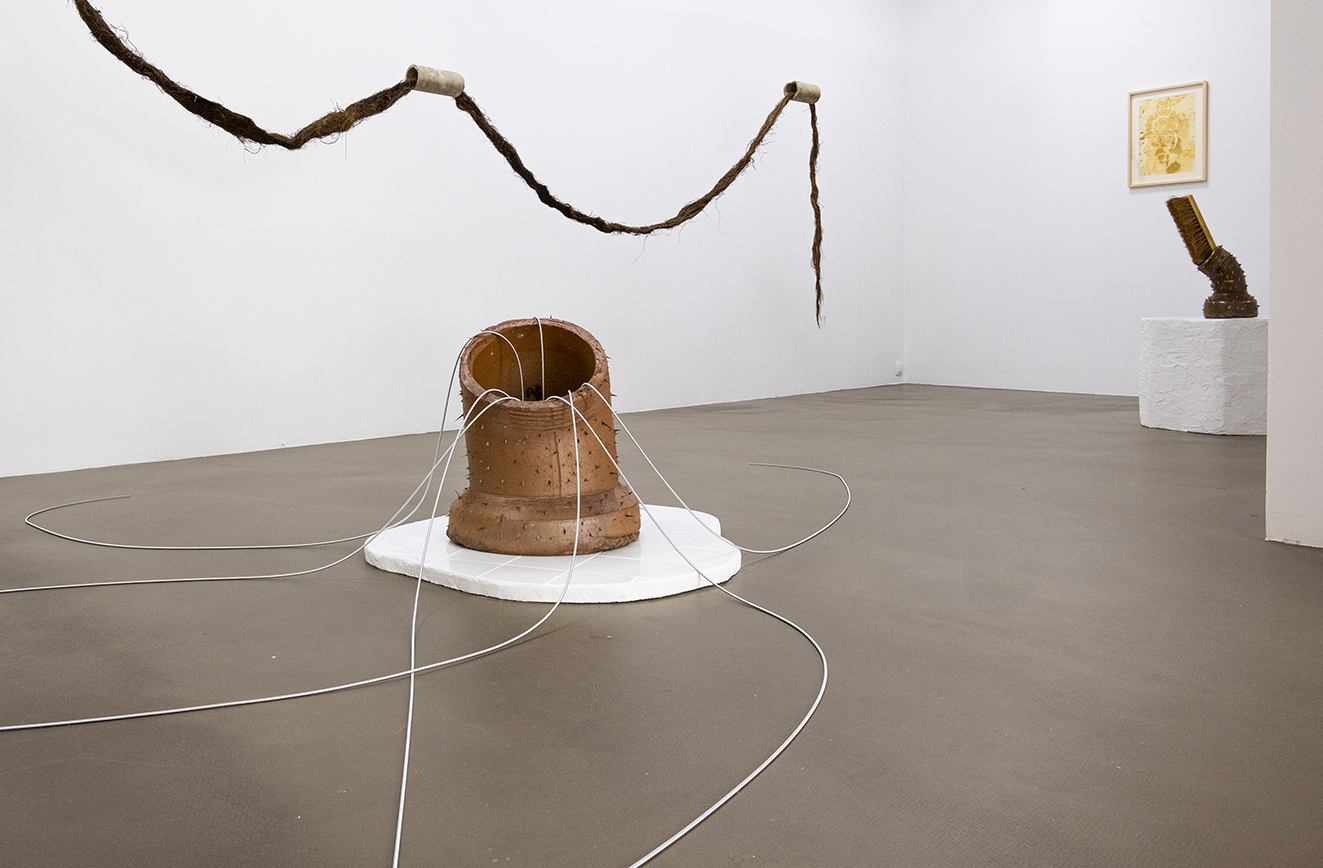
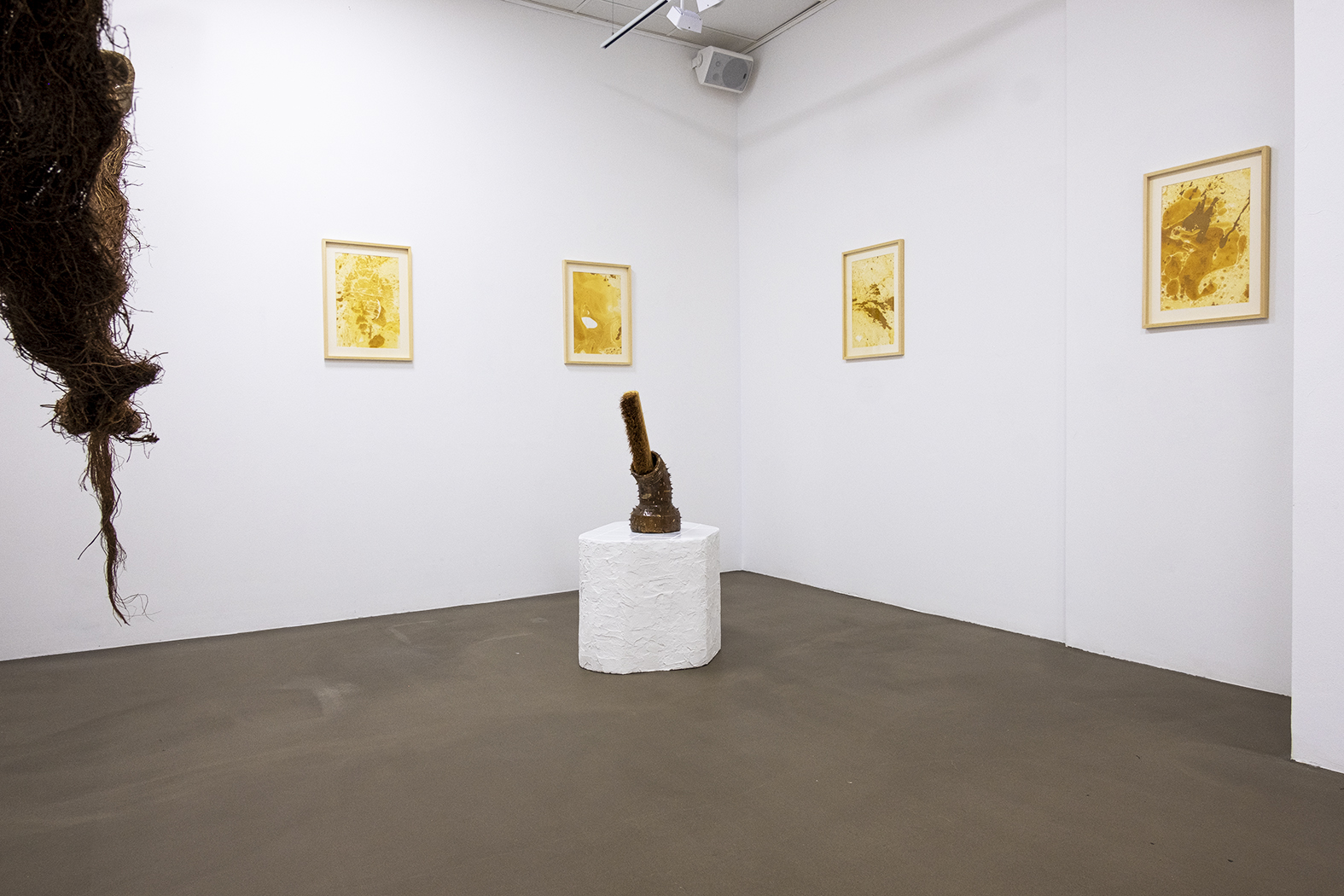
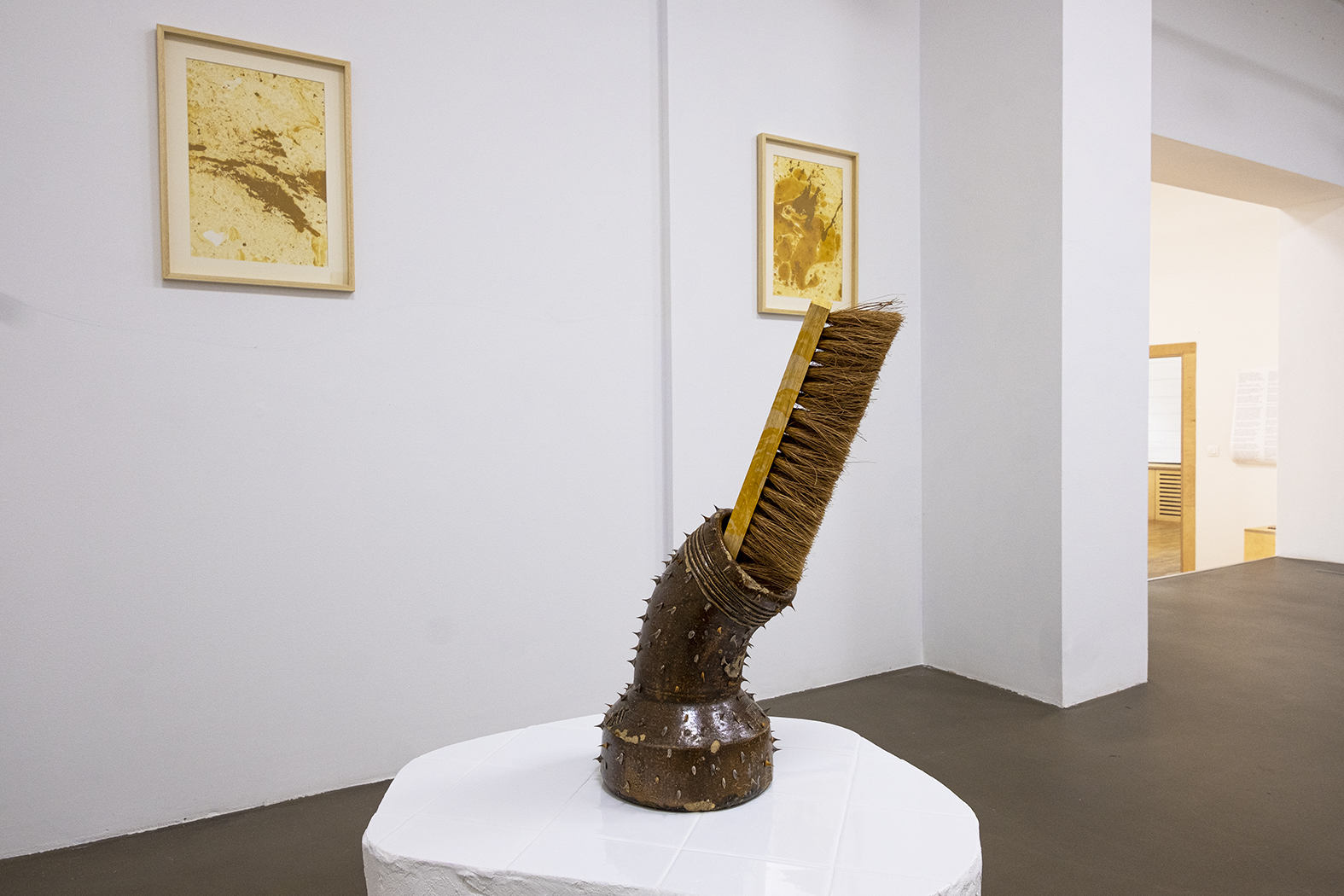
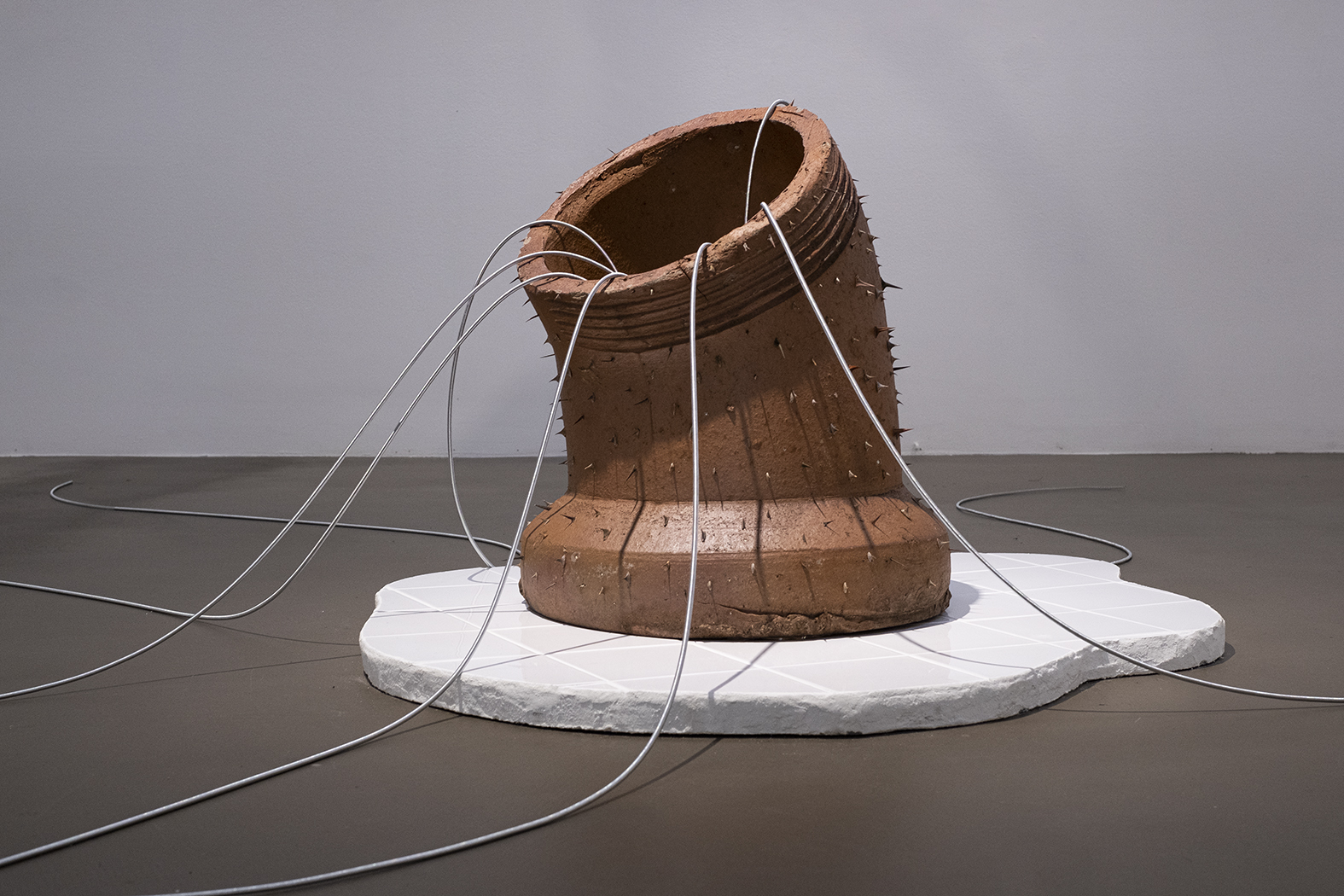
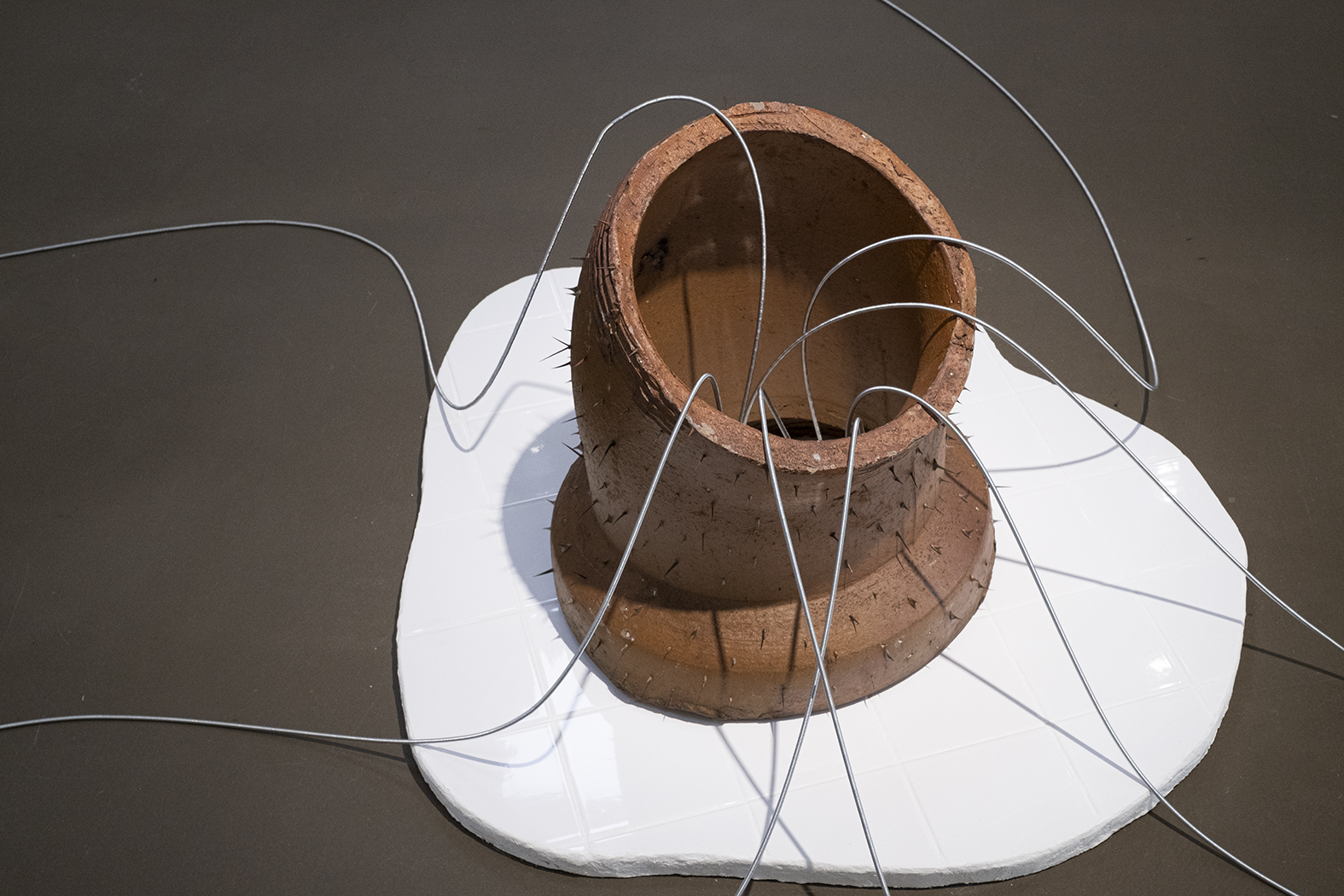
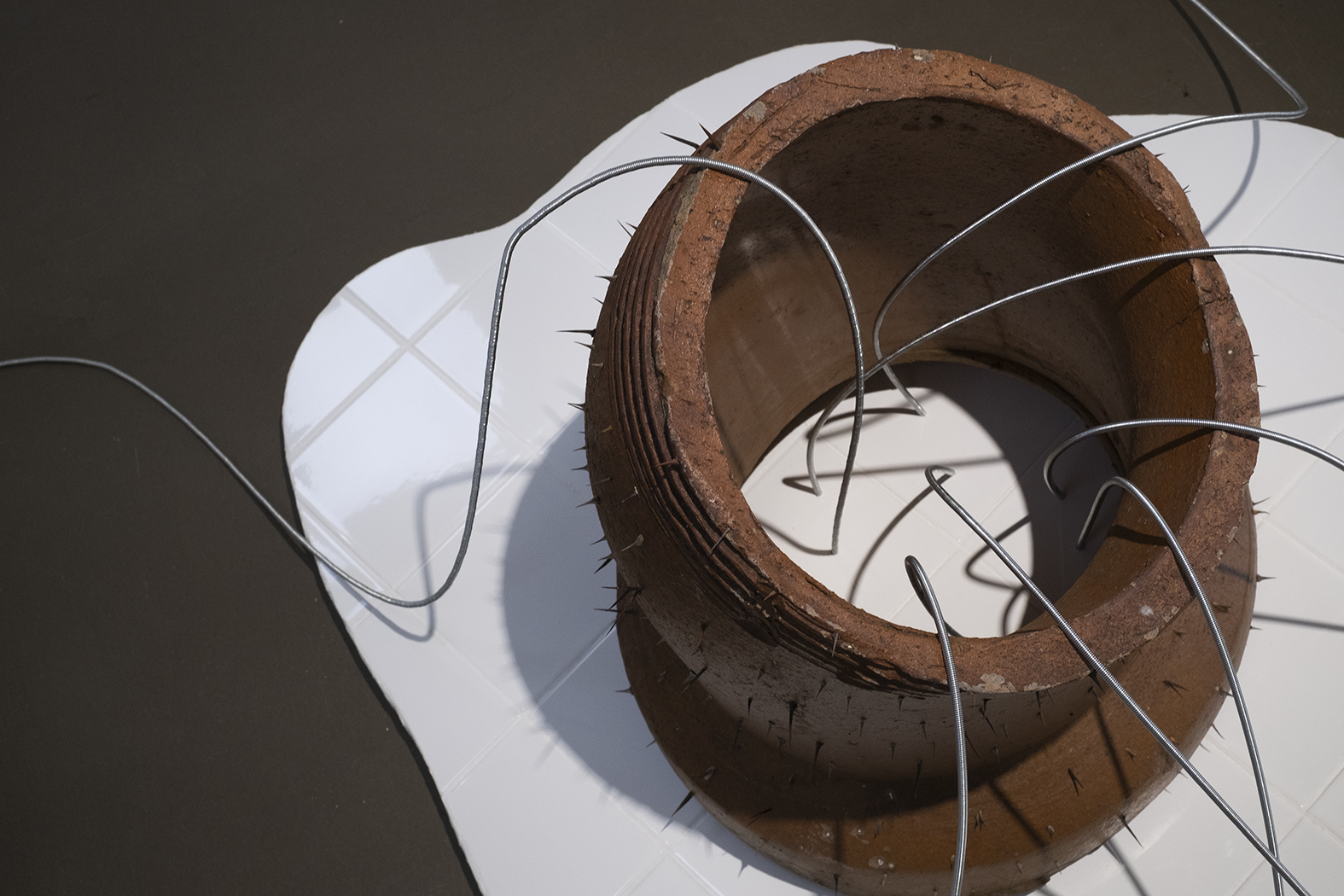
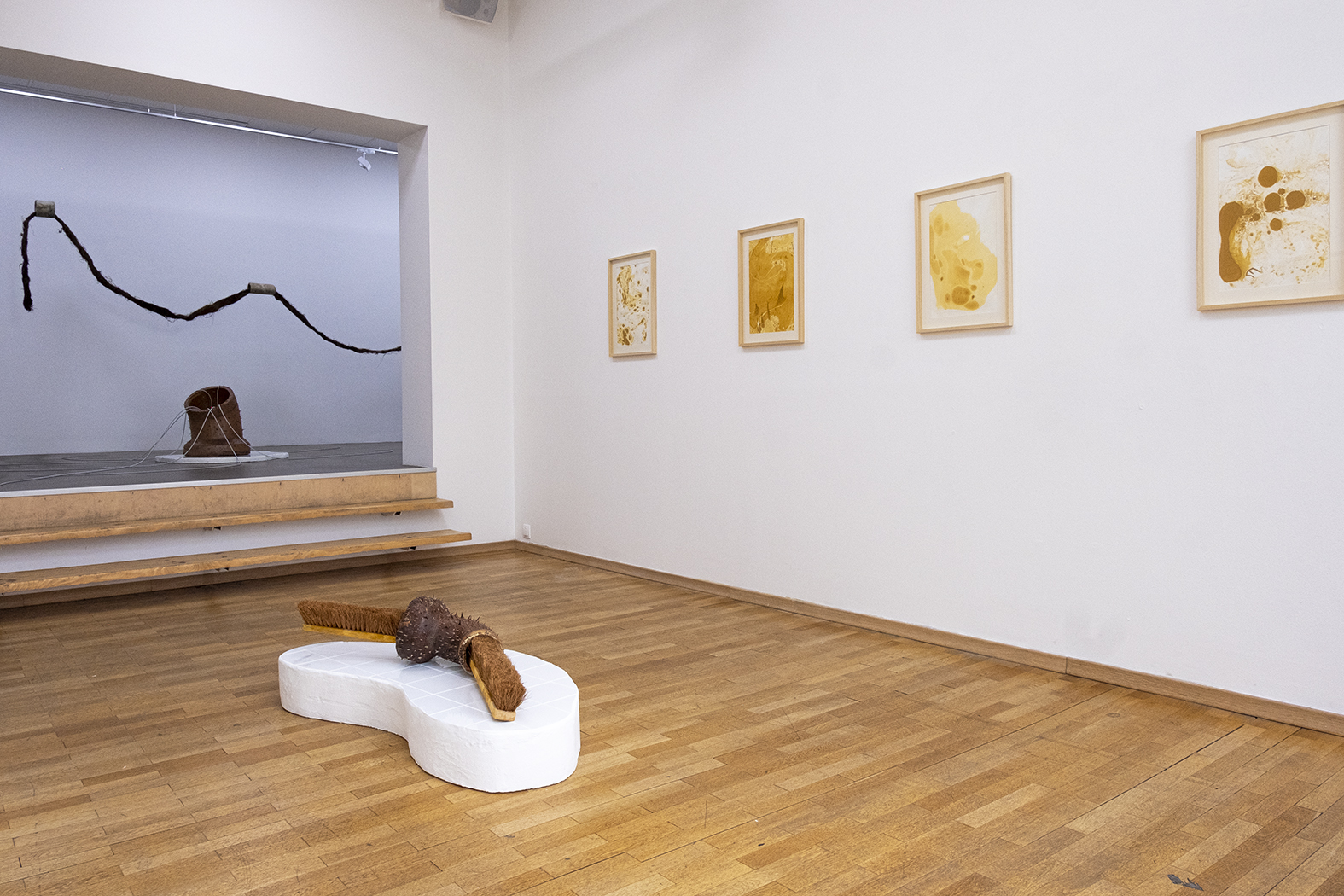
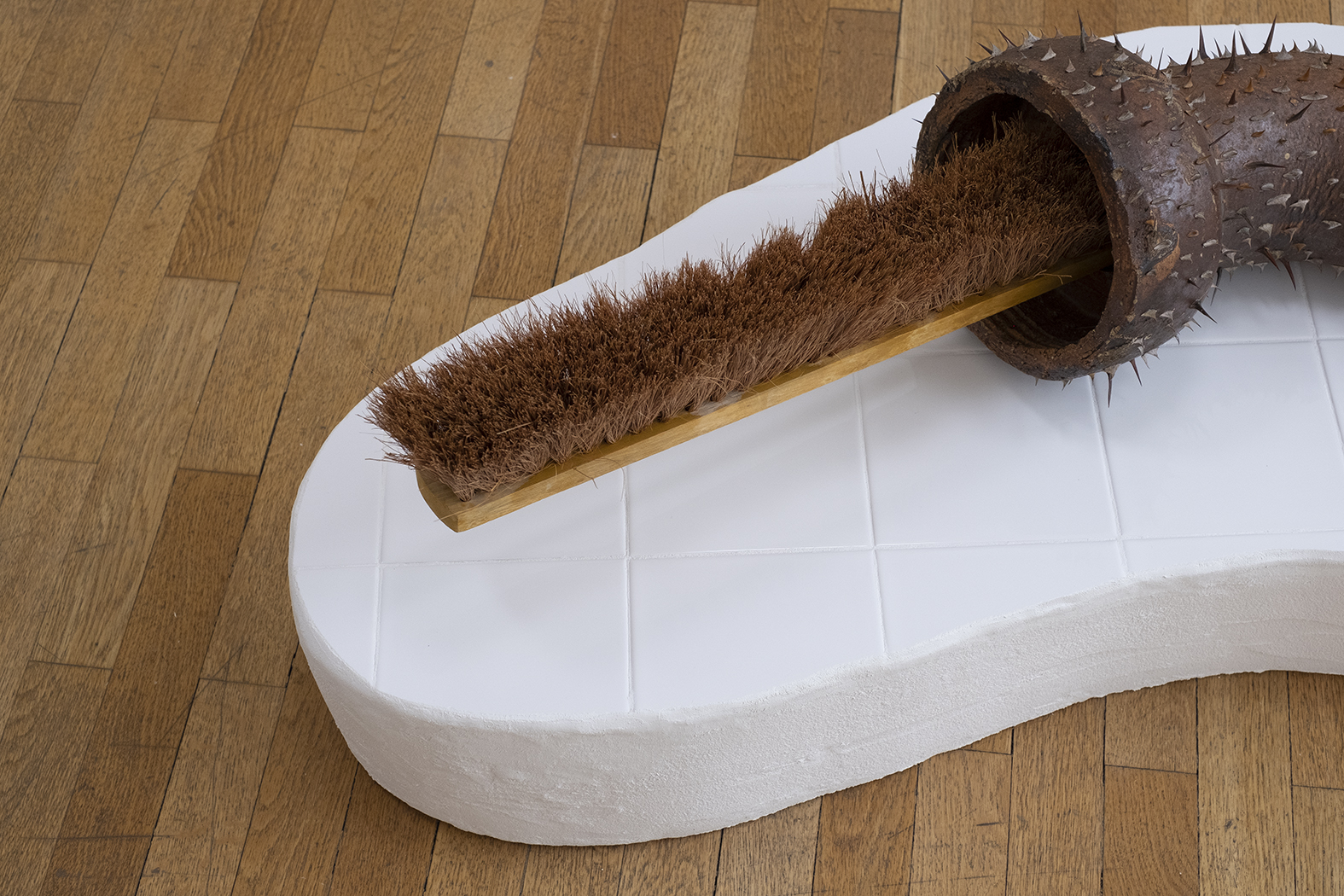
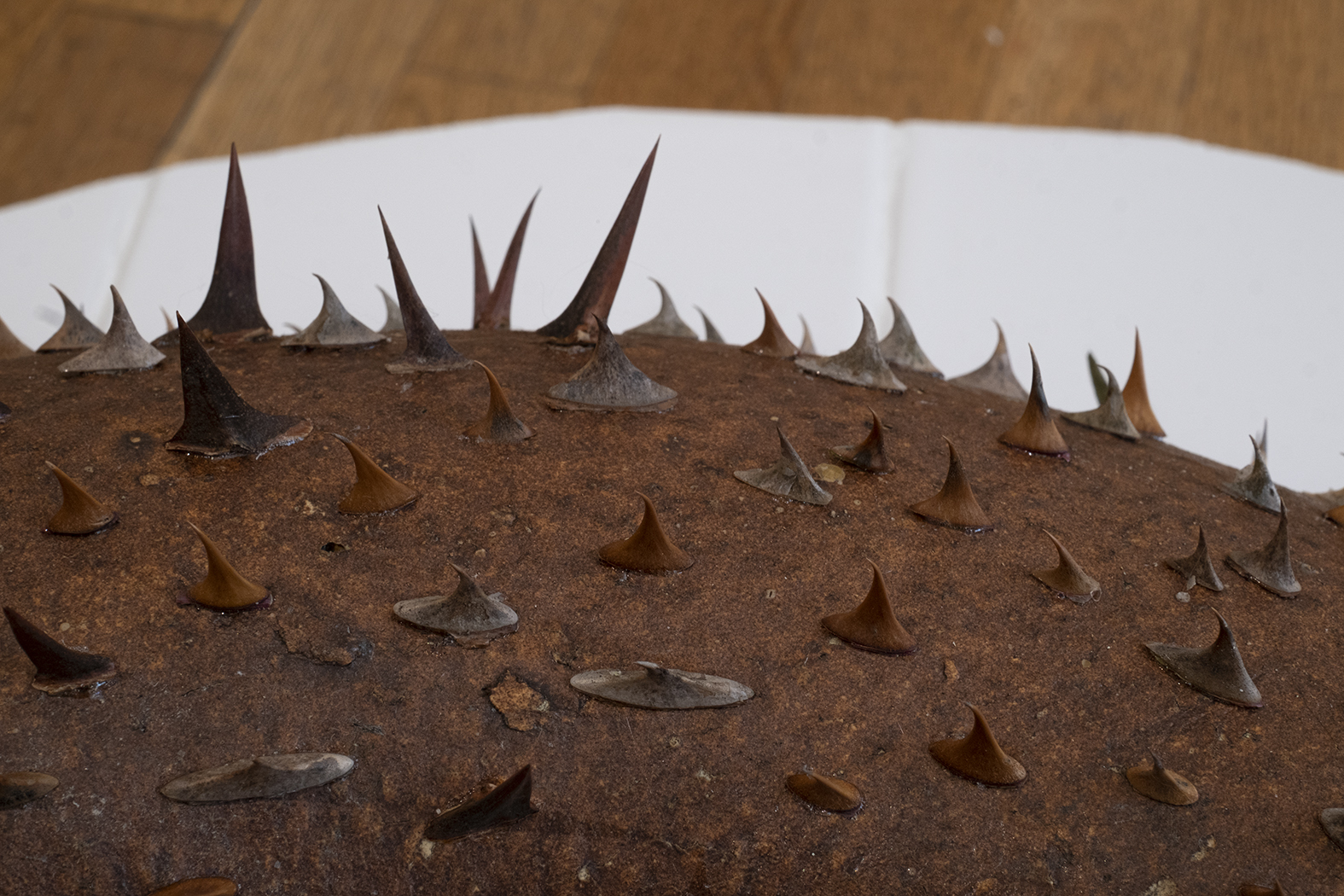
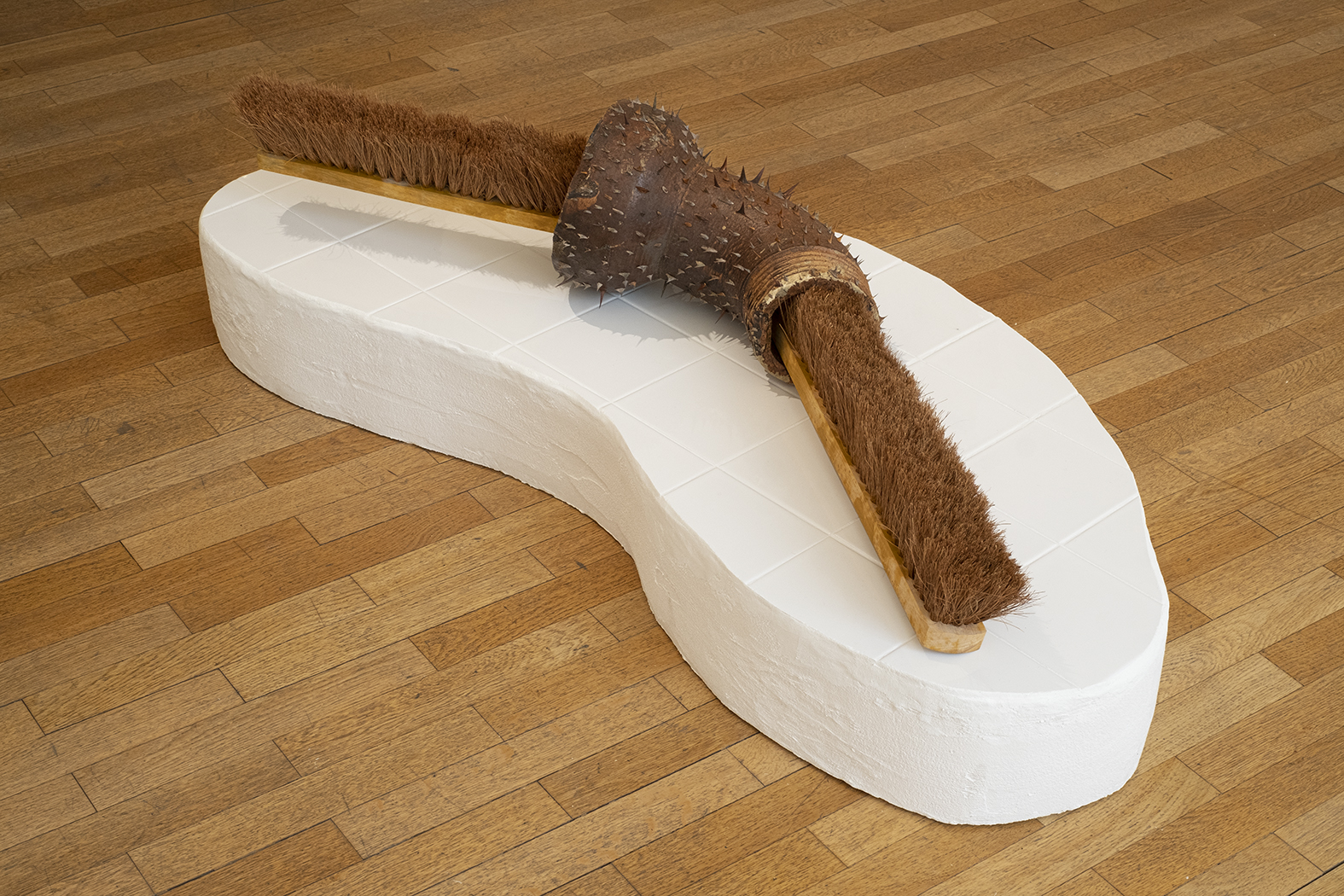
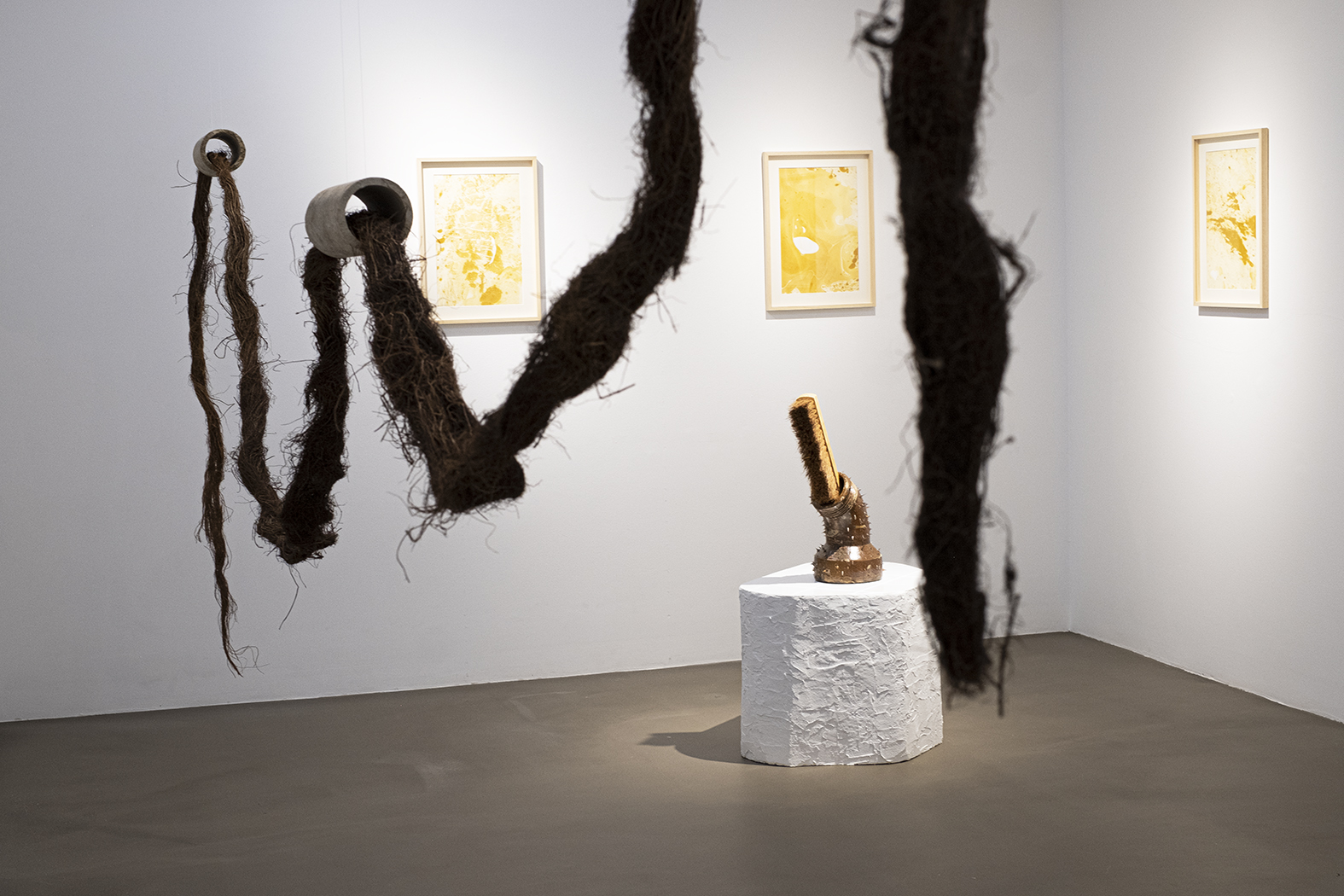
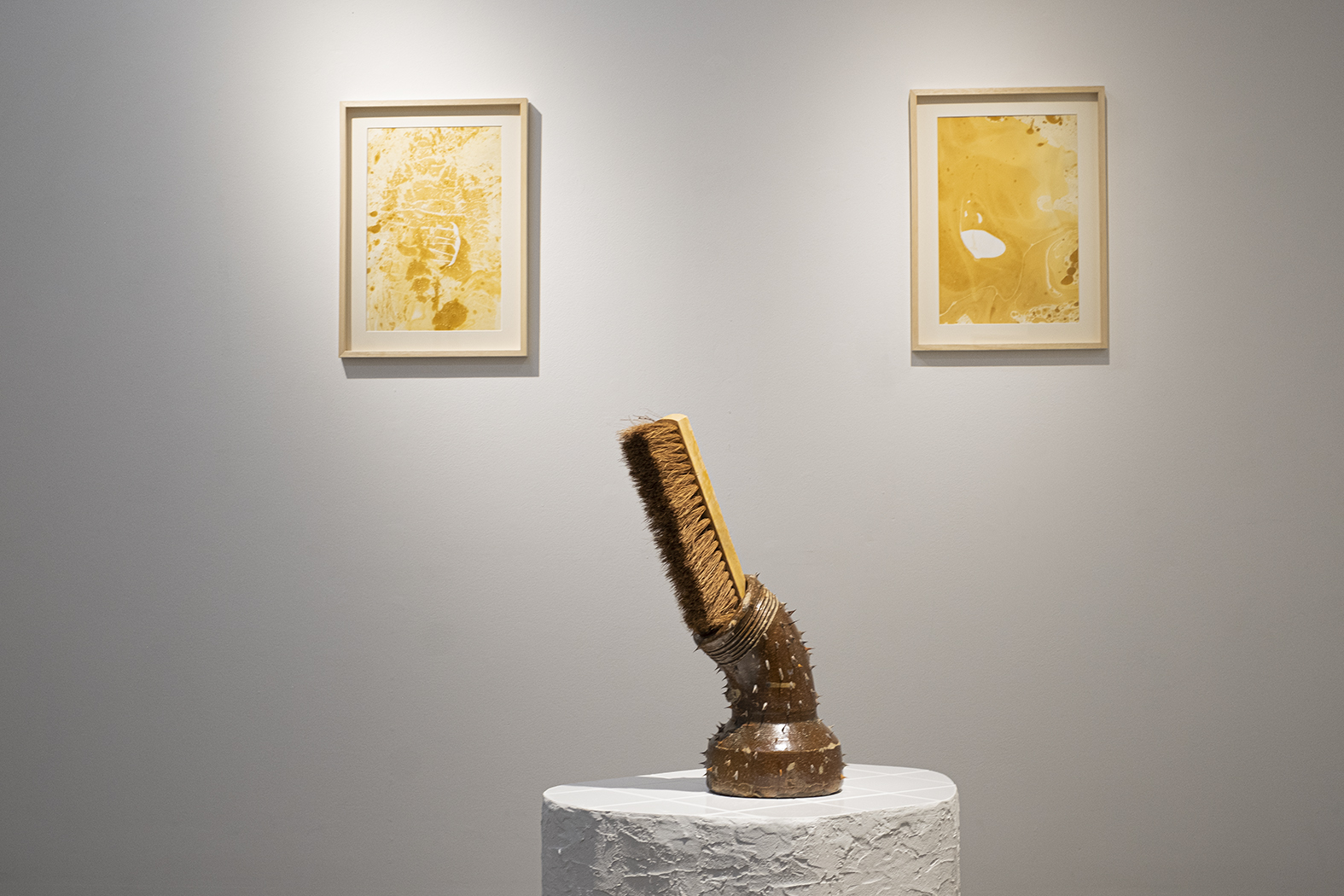
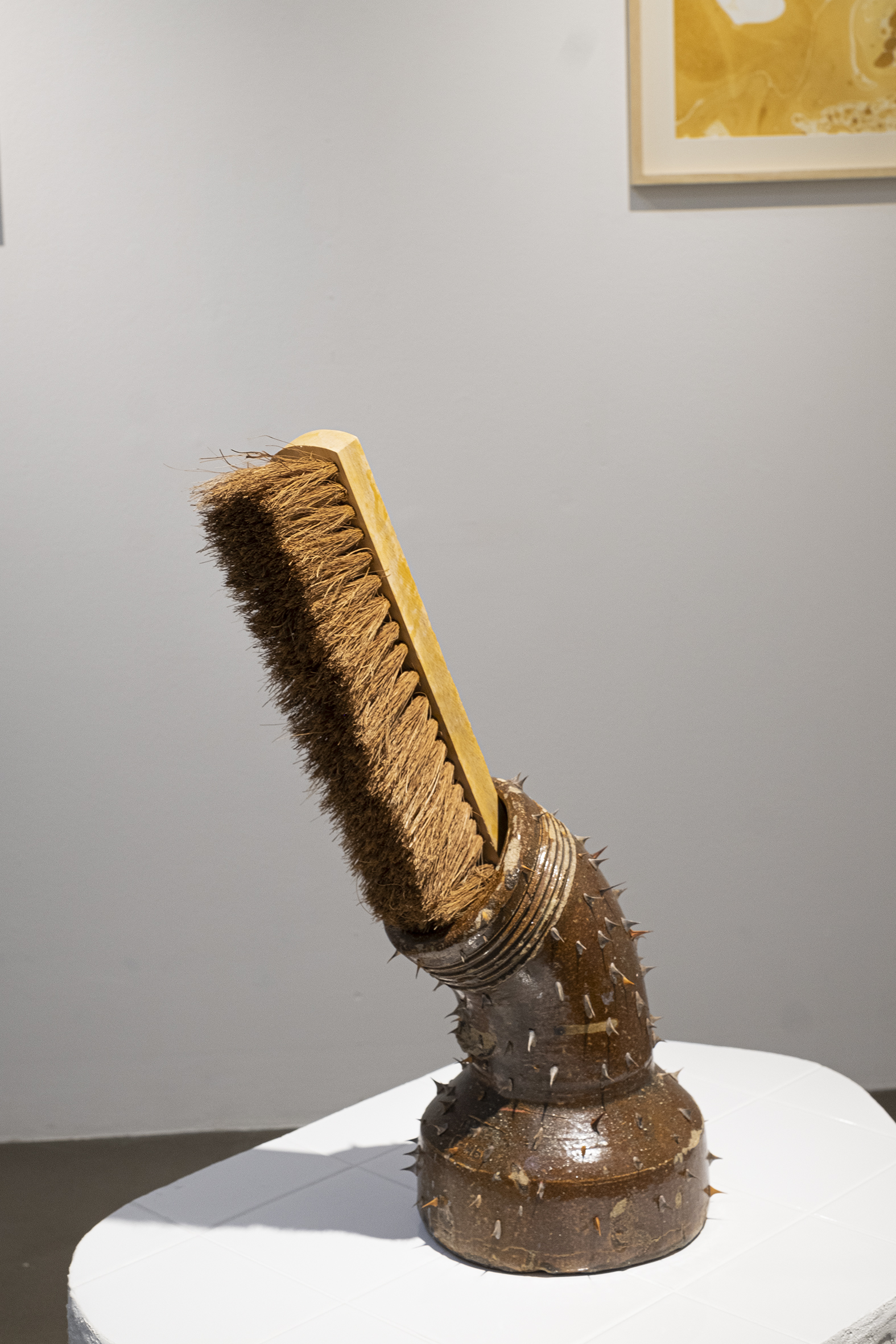
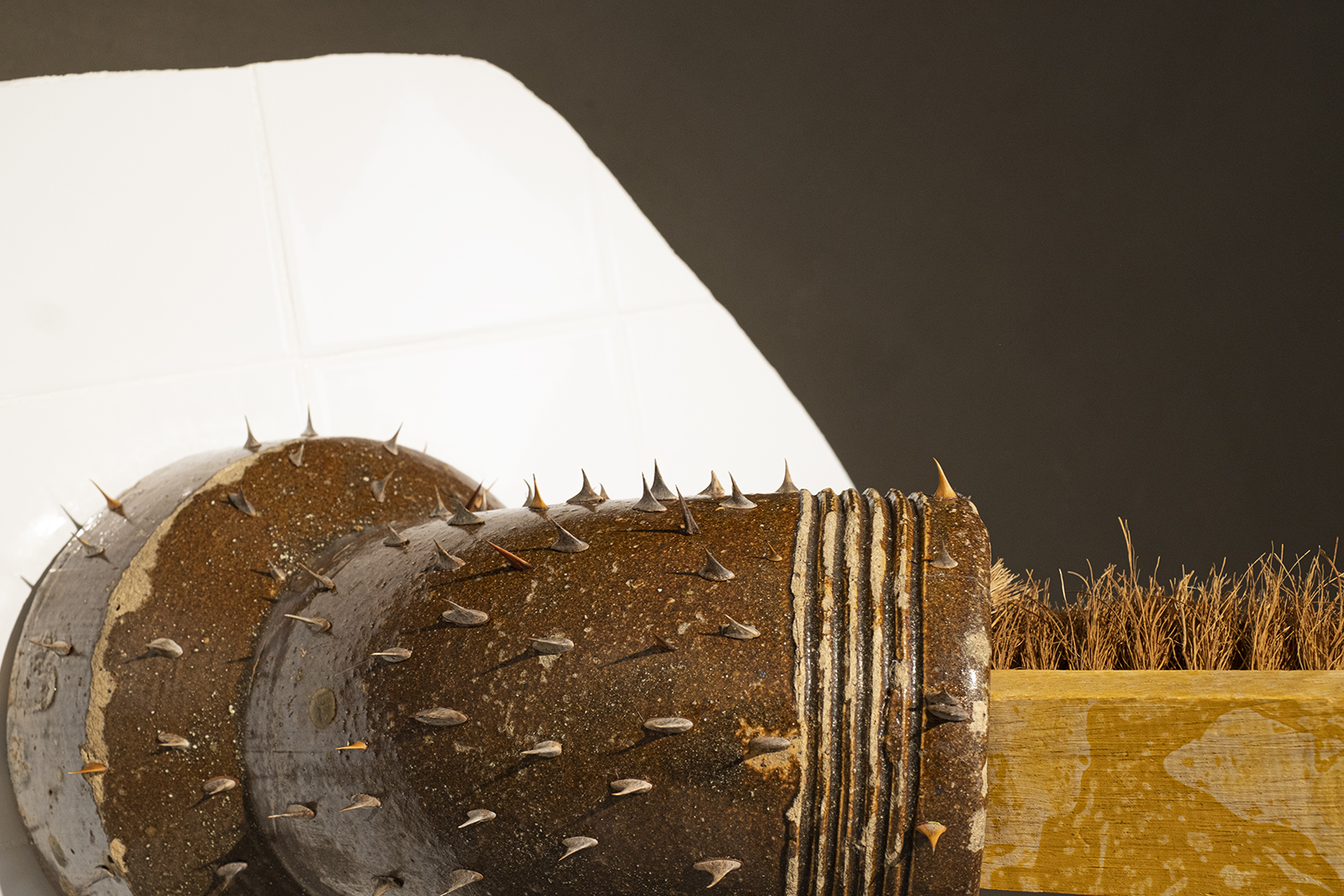
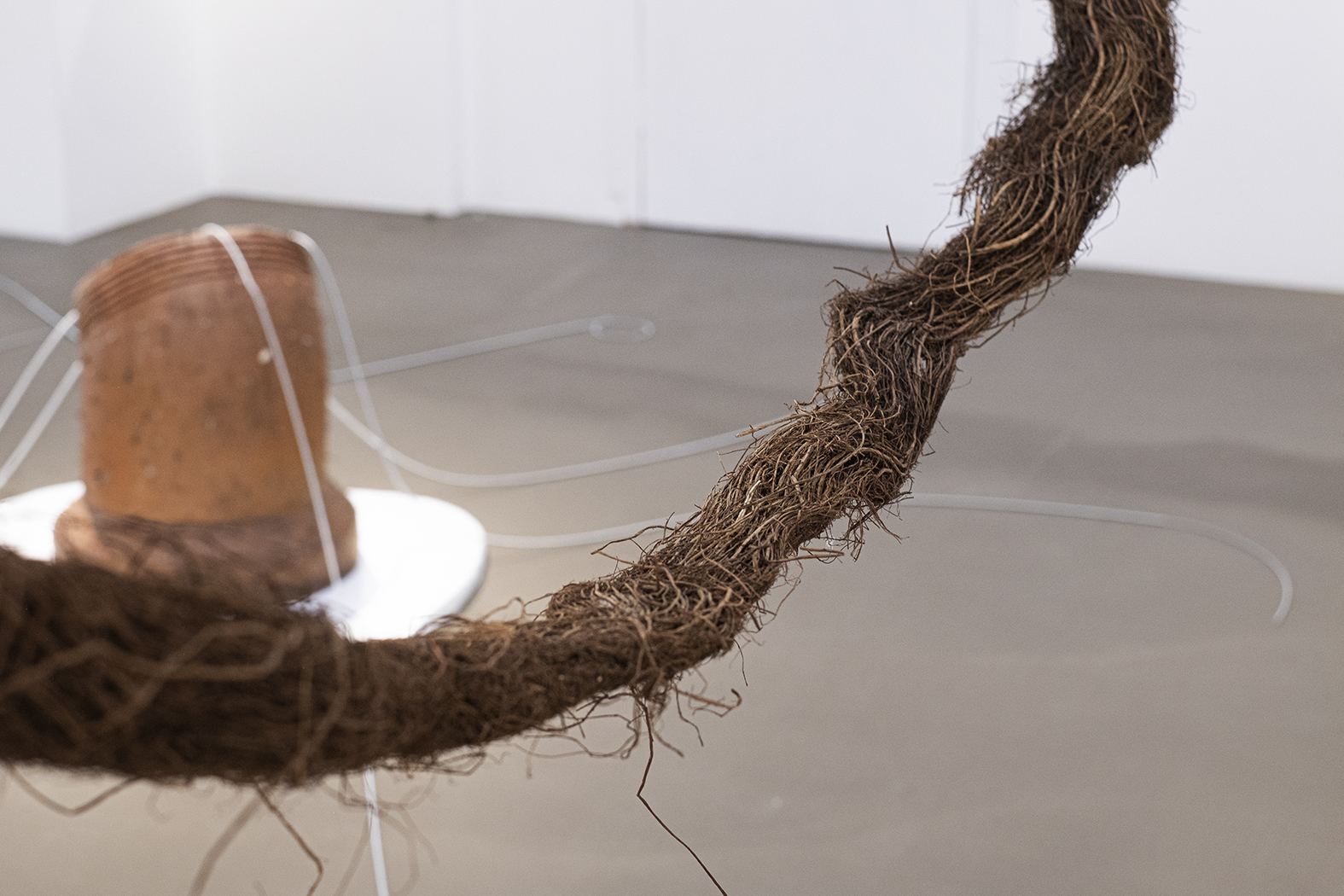
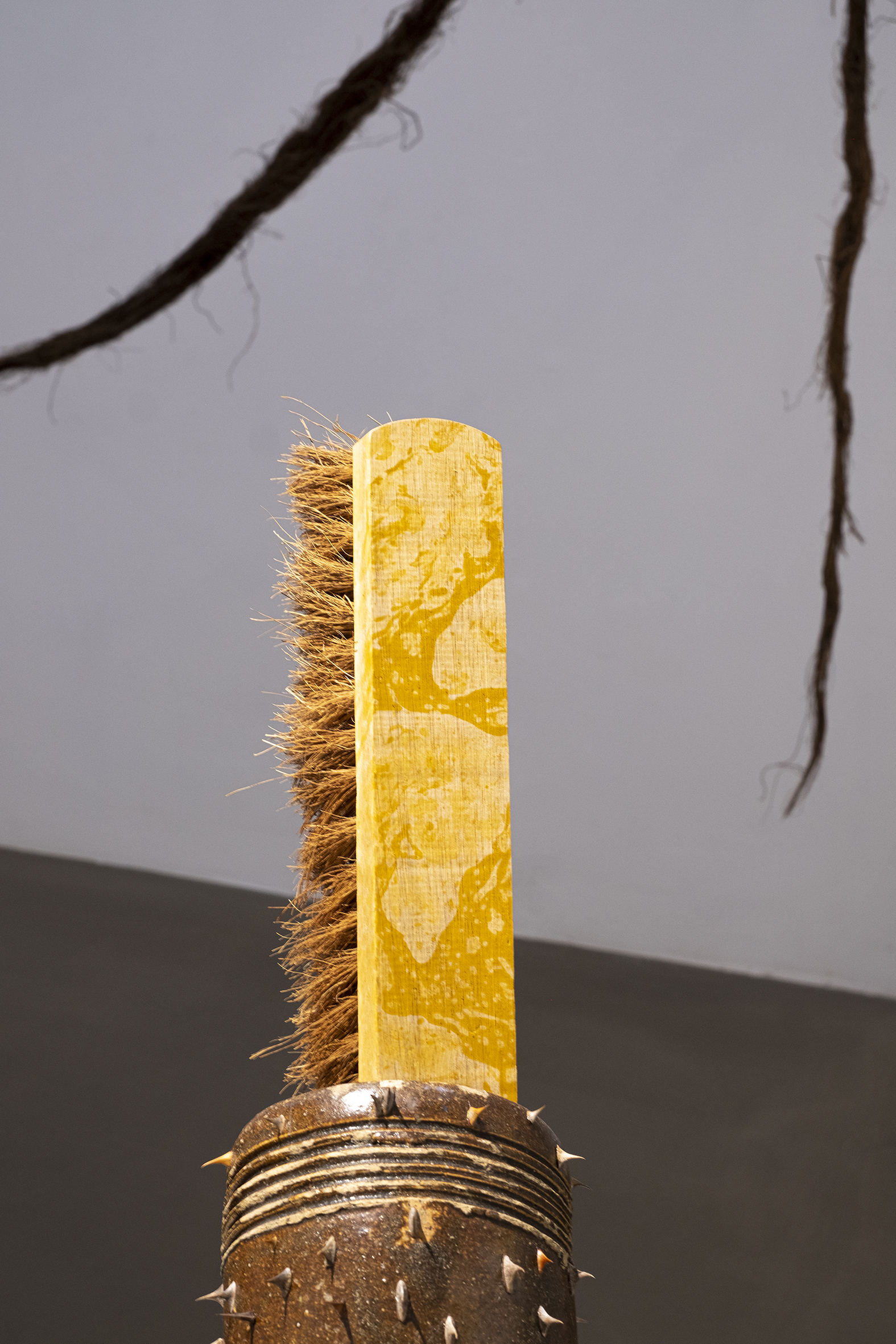
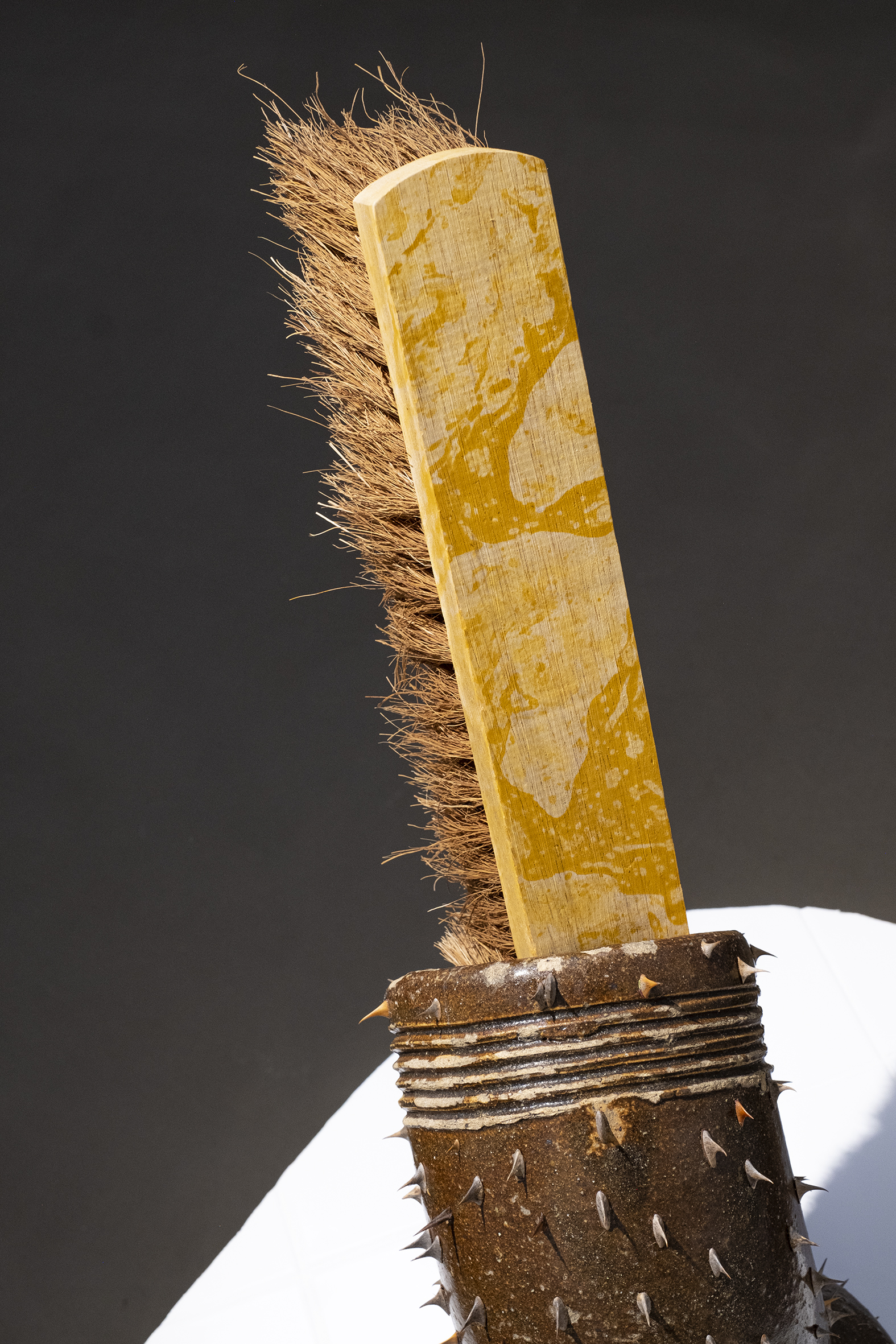
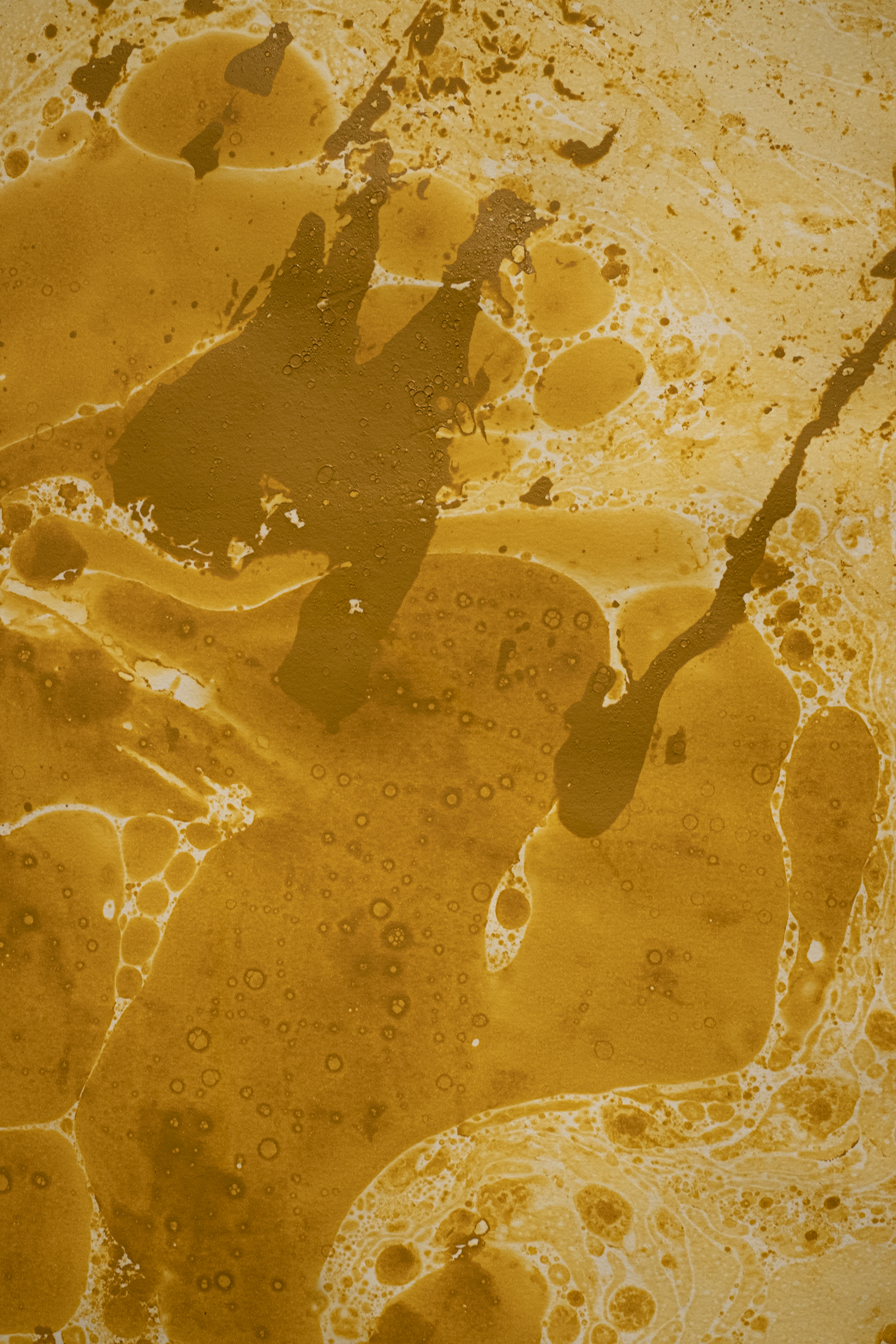
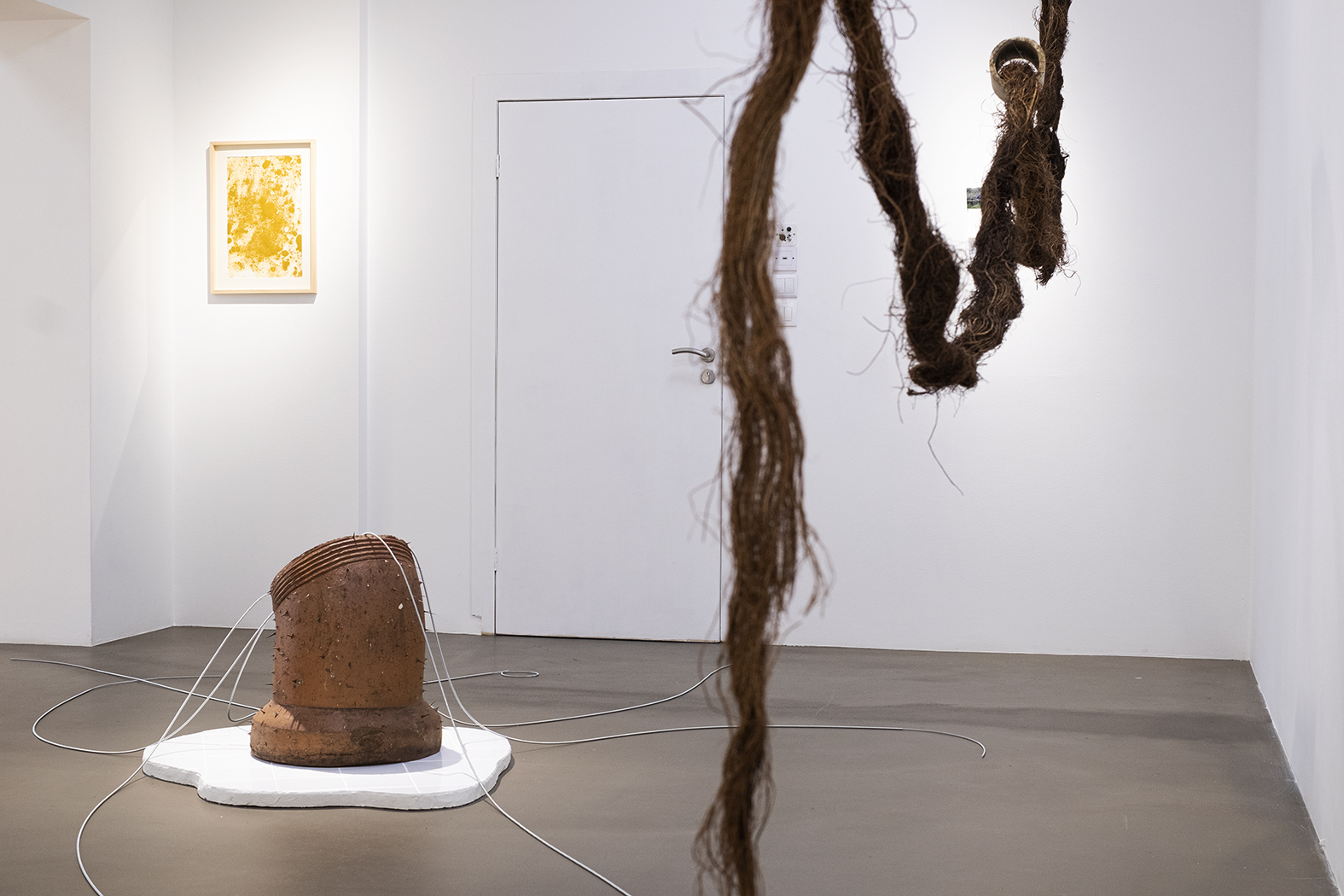
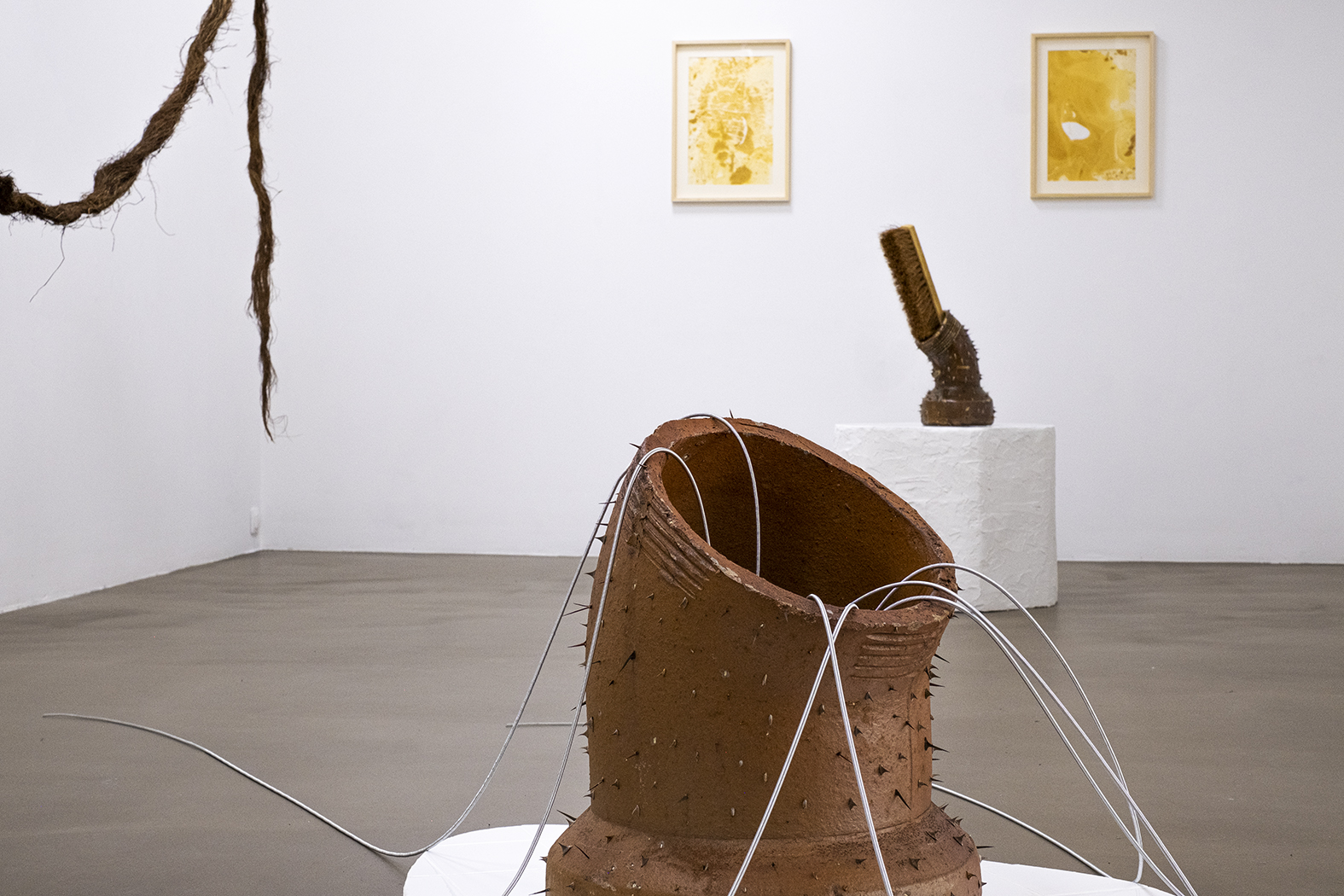
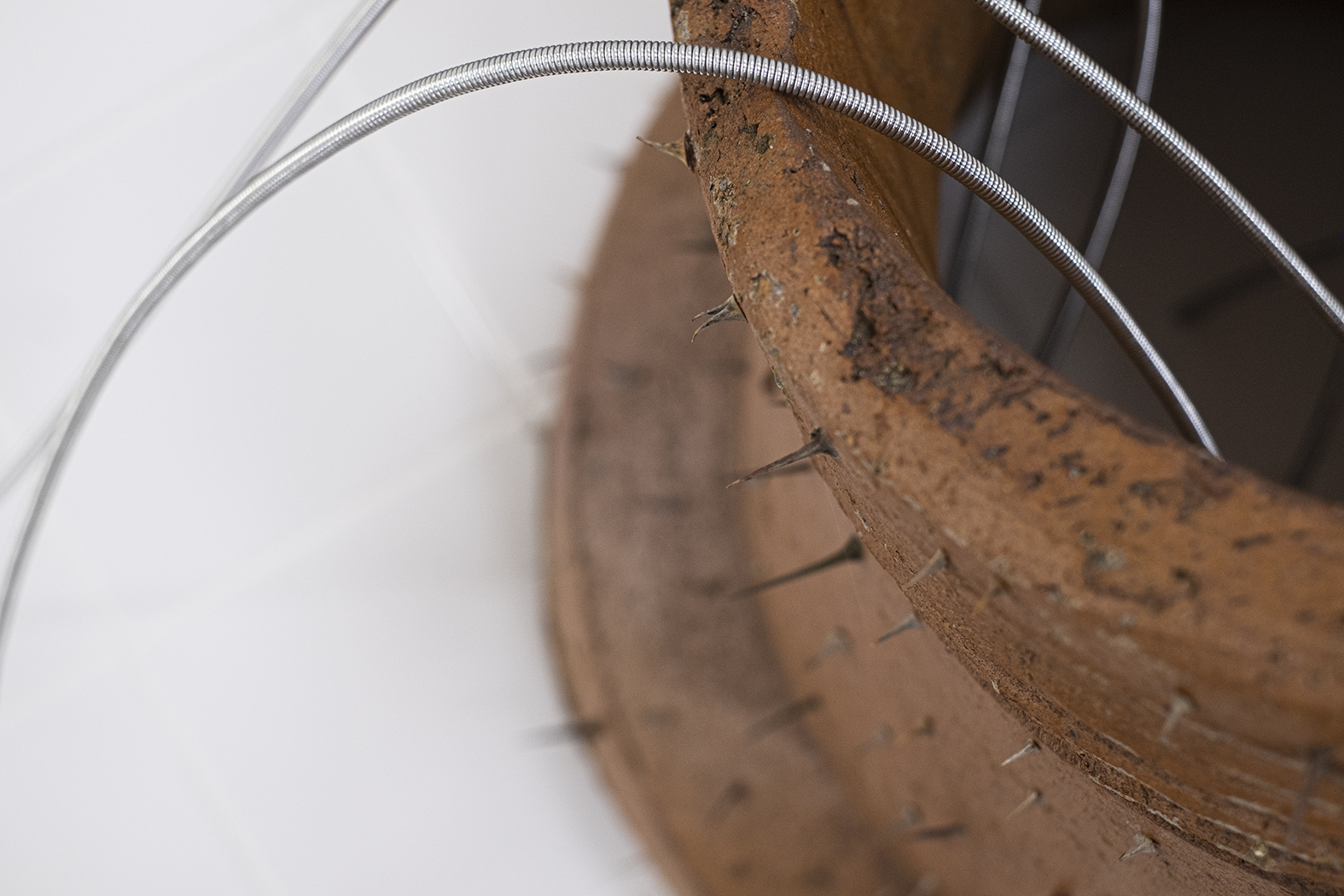
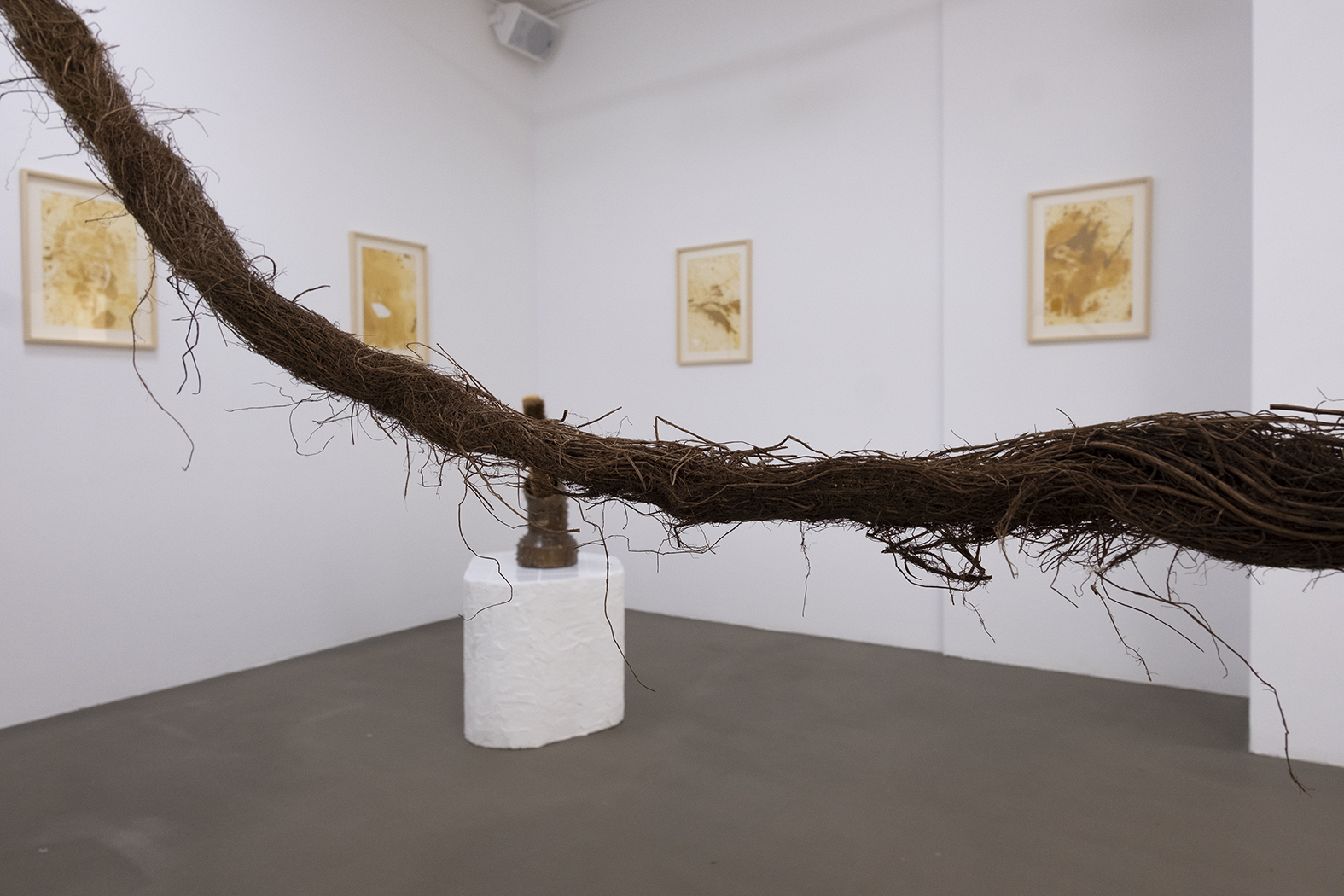
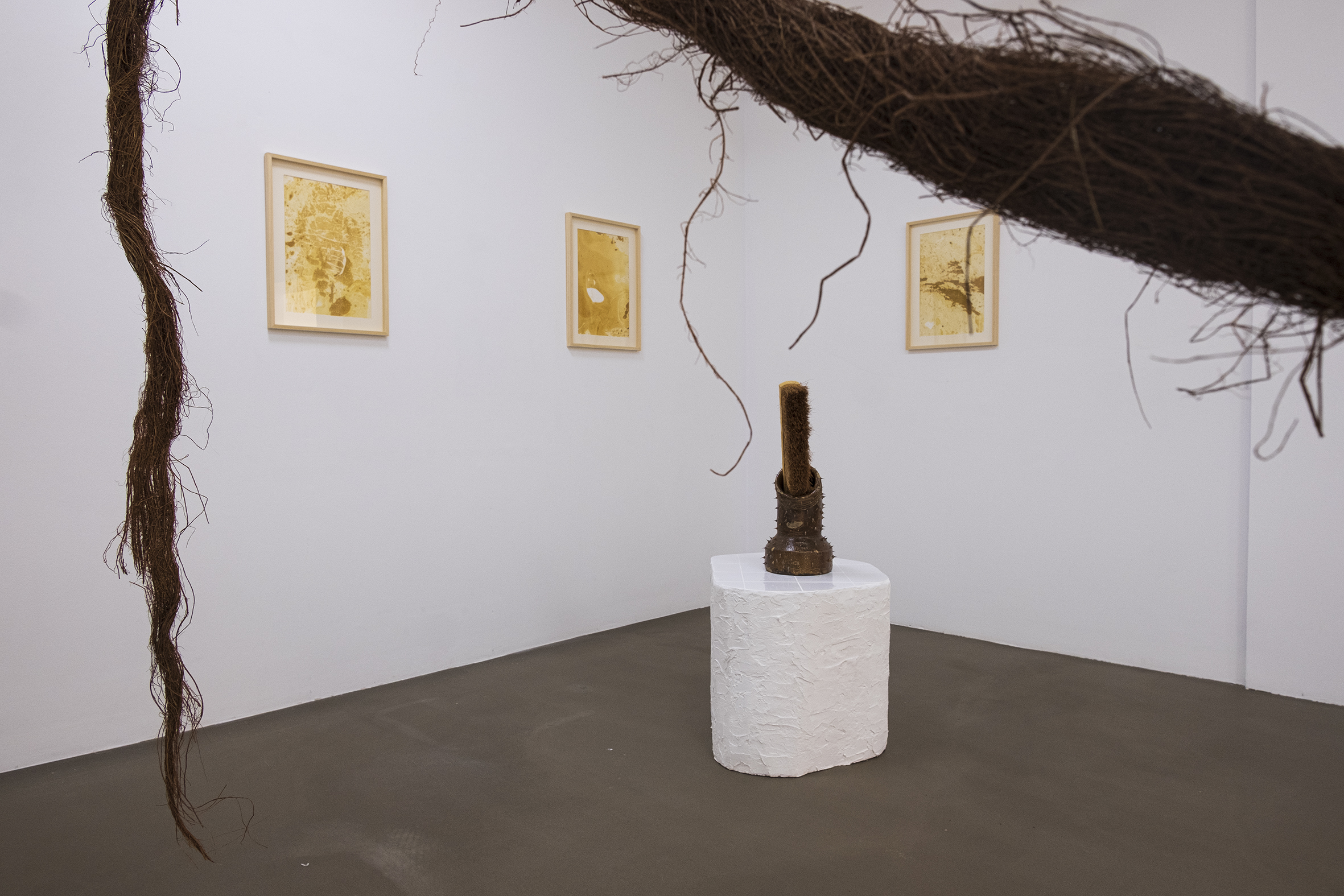
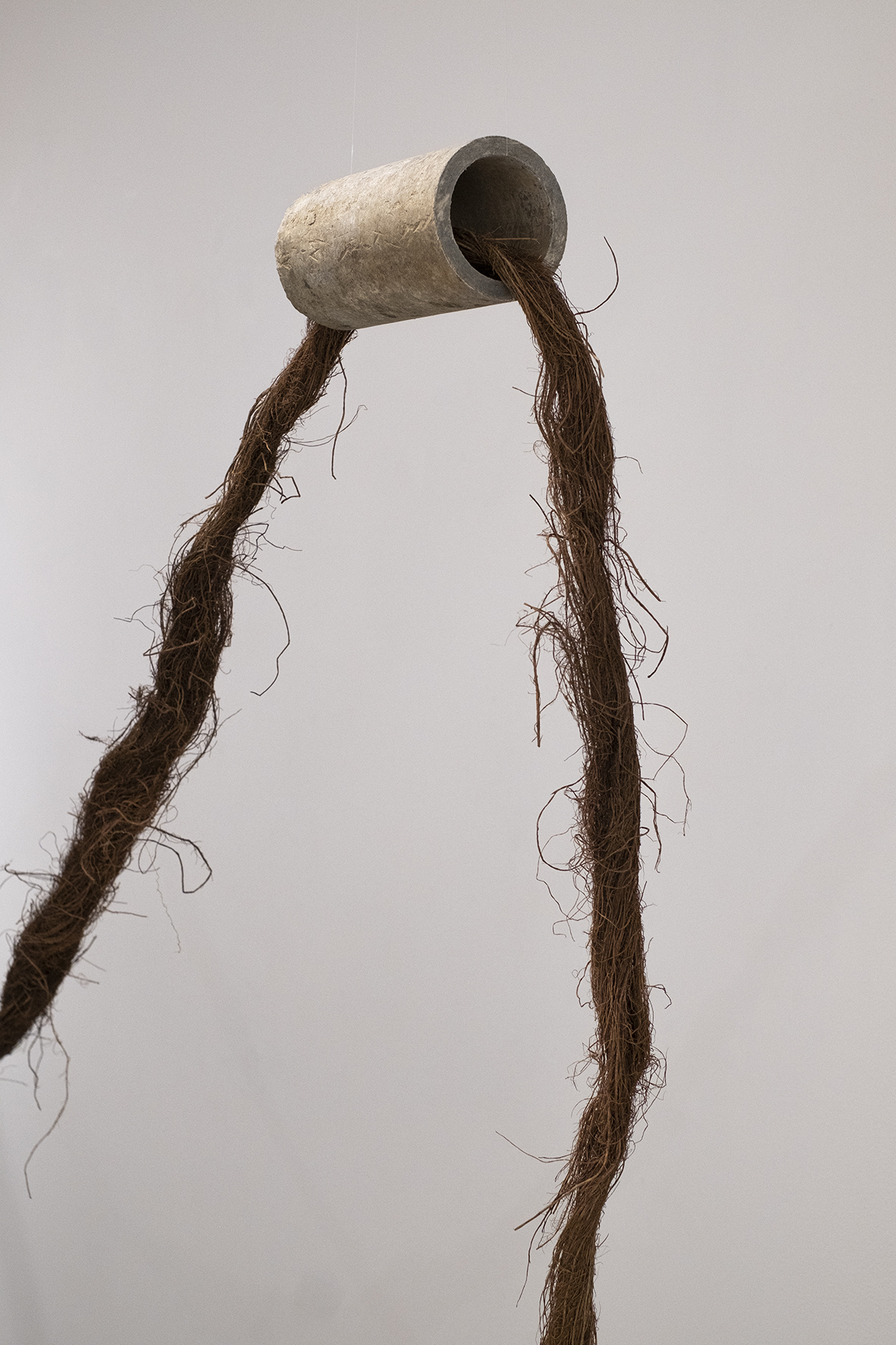
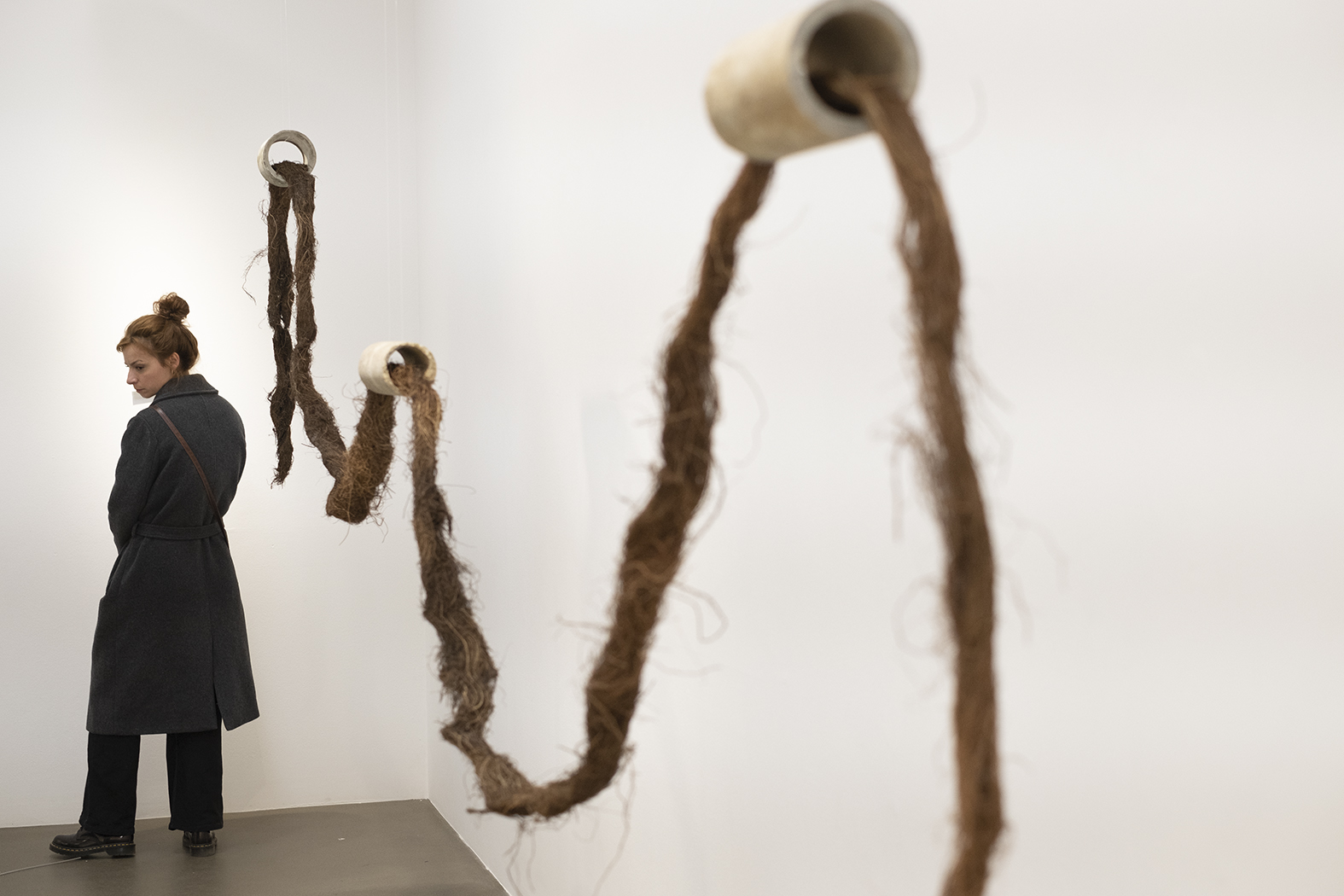
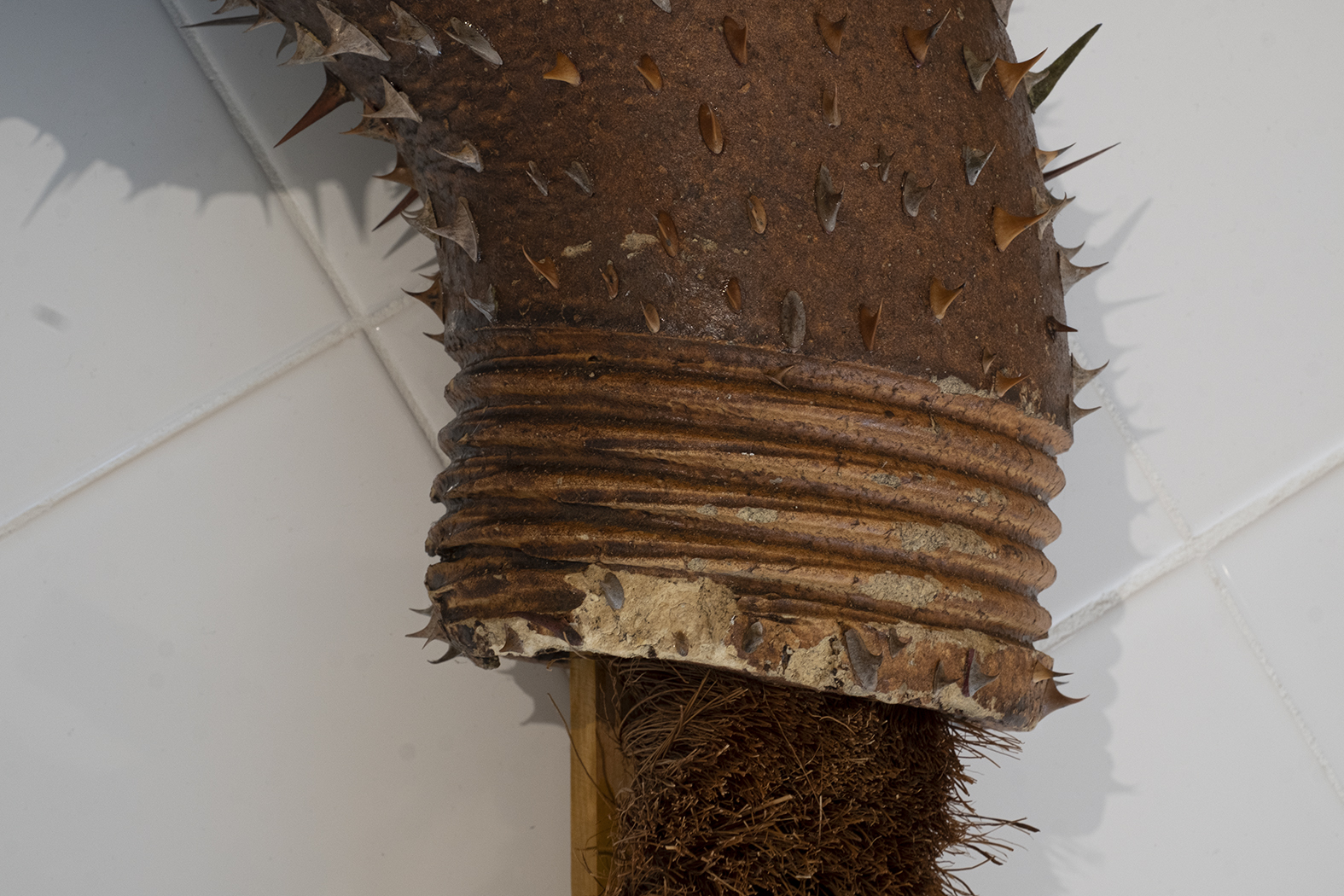
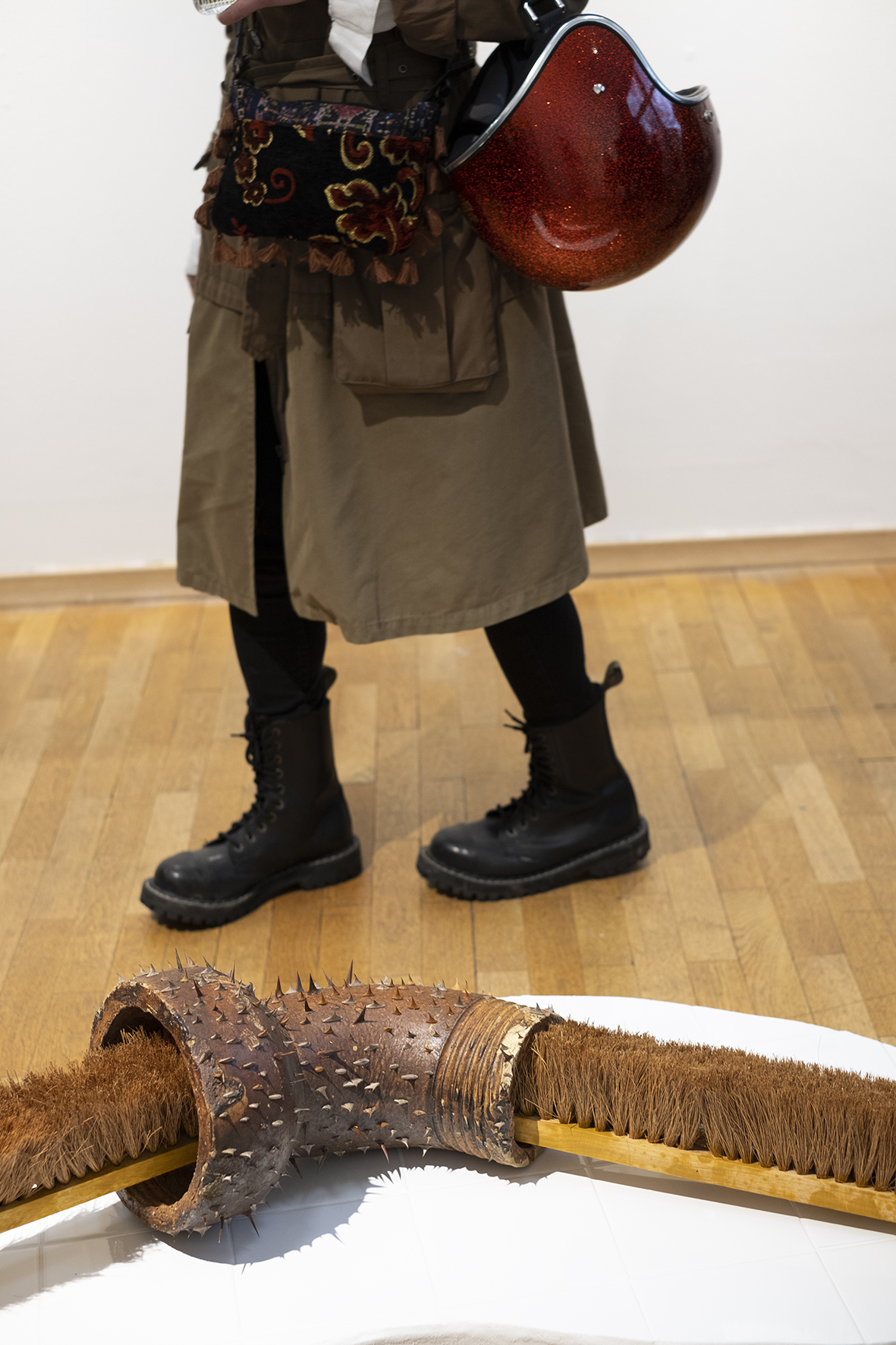
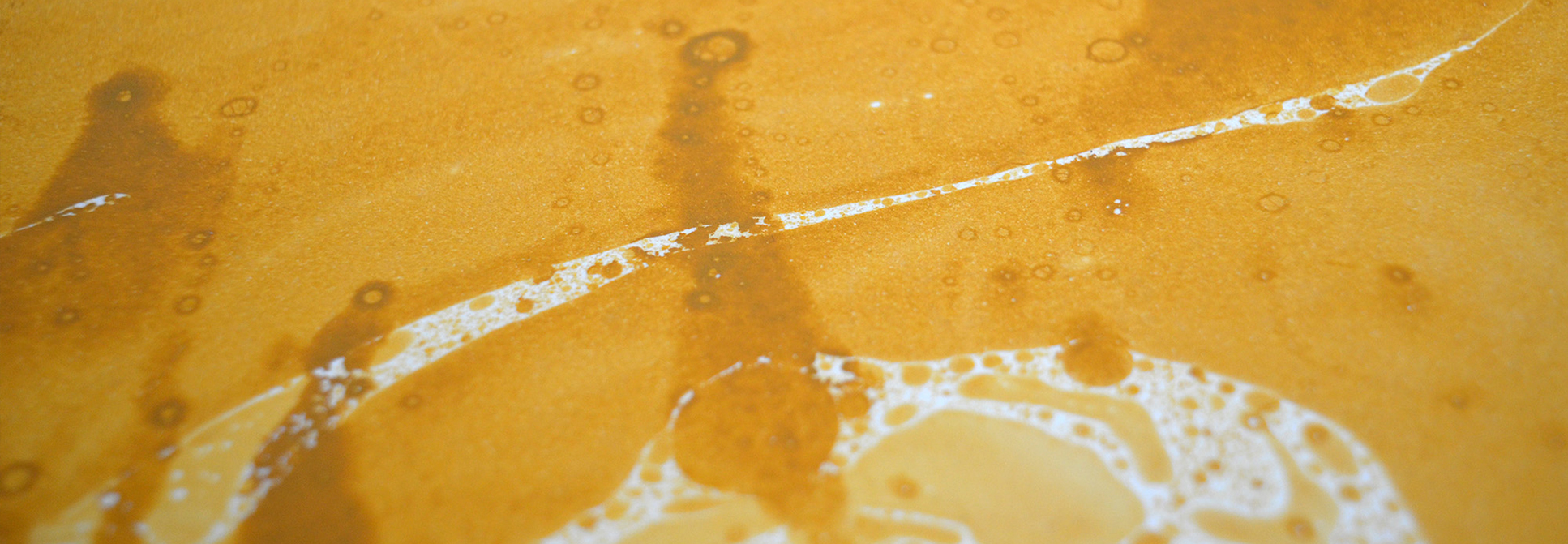
eternite pipes, 7 meters “foxtail” removed from the water supply near the village of Bolyarovo, Bulgaria, ceramic pipes, thorns, wooden brushes with natural fibers, oil paint, white tiles, pipe cleaning spiral, cotton paper, oil paint
-
Paintings made in water - 42 x 57 cm;
Sculptures - 130 x 55 x 45 cm, 115 x 100 x 62 cm - main part, varying sizes; 70 x 53 x 110 cm;
Installation - dimensions variable;
Sketchbook page - 15,5 x 21 cm
Photos by Lubov Cheresh
They know she exists. They know she is hidden somewhere out there, buried underground, in the old etherite pipes of the water mains. They know that she is responsible for the dried up spigots, for the thirst, for the unwatered flower beds and, in general, for all the problems of this world.
"The foxtail is to blame for everything," they say. "Nature is a scary thing."
She is real and mythical at the same time, the foxtail. She's like that monster from Loch Ness. Like the dragon that drains the springs. Like the devil's tail.
They know she exists, but unfortunately there is no device to detect her. And so they dig with shovels, with excavators, whatever is available. When they get to the water main, they drill through it, hoping they'll find her inside.
But there's no sign of the foxtail.
Mile by mile, they rip up the earth and then bury it. One week, two weeks, a month, a year. Finding the foxtail is not easy, just as it isn't easy to find the diseases of this world. Why is there no water? Why are the pipes between the primal spring and people empty? Why have the pipes become monsters covered with spikes? Why are the lips cracked and the tongues dry?
Finally, success. She is there, huddled inside the pipe, wrapped around herself for comfort. They utter cries of joy like sailors coming across a new continent.
They approach her, but she neither bites nor wags. They grab her by one end and start pulling. A doubt comes over them. Are they pulling in reality on the devil's tail? And where the hell is the fox itself?
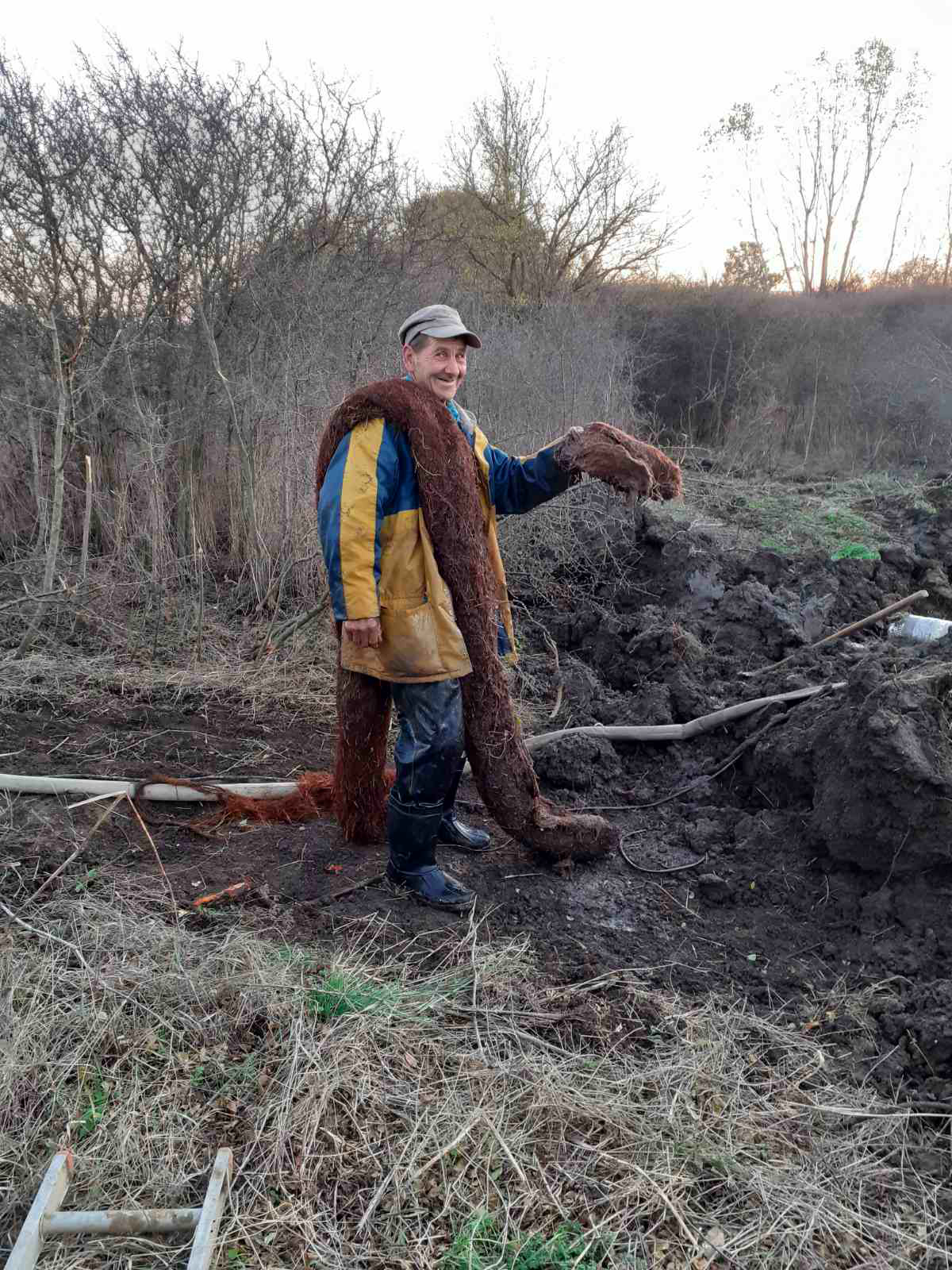
Gradually the foxtail begins to come out of the pipe. One meter, two meters, five, seven.
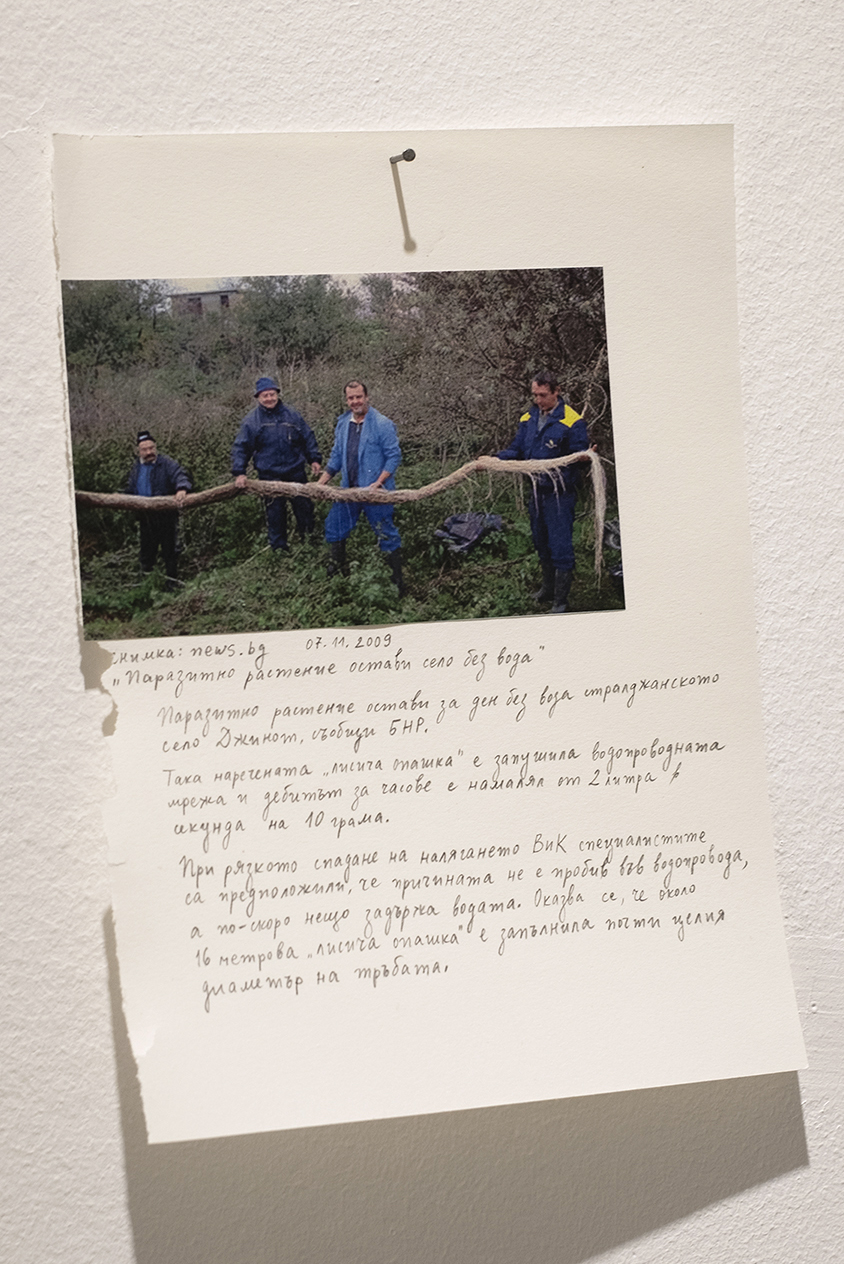
They take pictures with her. This will be their most important hunting trophy. The pictures are like pictures of water, water pictures. After so much effort and time, the monster has been defeated.
But doubt remains. Is she really a monster, some ask? Aren't we the monsters who do not tolerate intruders in the pipes of life, who always strive after purity, even at the cost of murder? Is the foxtail actually our own tail that we refuse to accept? Isn't the foxtail actually the braid of an angel?
-- Dimitar Kenarov
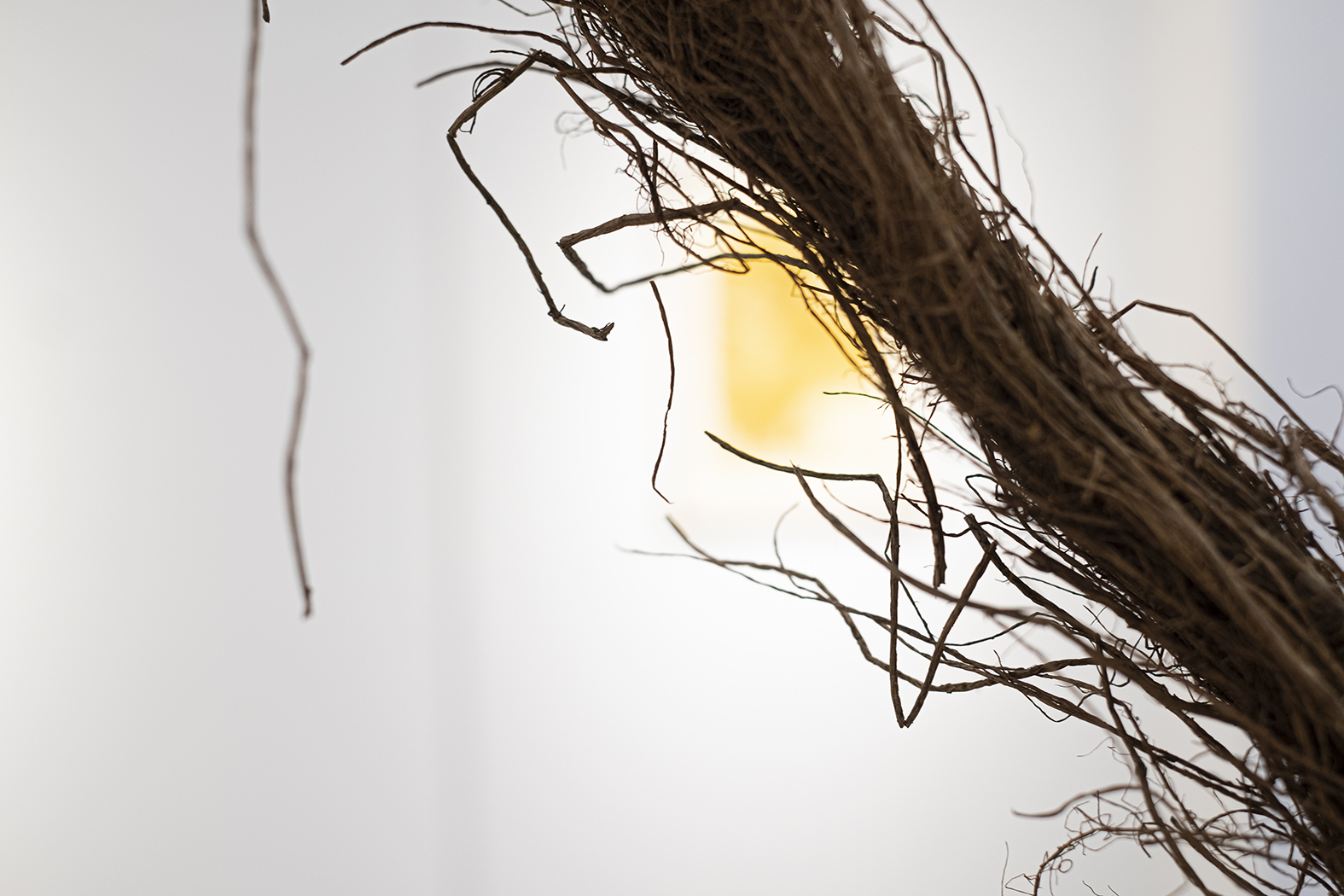
The so-called "foxtail" refers to a plant root that develops within aging asbestos-cement water pipes, commonly found in Bulgaria's water supply systems, particularly in rural regions. Once introduced into the water supply, the foxtail initiates growth, eventually obstructing the flow of water, a phenomenon observed in areas with water supply issues. Flourishing in darkness and abundant water, the foxtail can reach lengths of up to 20 meters, as observed in regions where it has been encountered. During research conducted in the Yambol region of Bulgaria, officials from various Water Supply and Sewerage companies shared anecdotes about the persistent presence of the "foxtail", regarding it as an ongoing challenge. In a location near the village of "Bolyarovo", a "small" seven-meter foxtail was extracted from the water supply, later becoming a feature of installation, part of the exhibition. As a contemporary menace, the foxtail serves as a tangible representation of the longstanding issues in water management and the recurring water crises often stemming from flawed policies.
-- Maria Nalbantova